Product Review - Huma Chia Energy Gel

Are you training for the Blackmores Running Festival, Trailwalker or the City to Surf?  Not sure if you need to take gels?  Looking for a gentler alternative?

Recently Fletch from Running Science gave me a couple of Huma Chia Energy Gels to try.  Of course being a nutritionist, the first thing I did was to go straight to the Nutrition Information Panel to see what I was getting:


So what’s in a Hüma Chia Energy Gel?


Pureed fruit. Sea Salt. Water. Ground Chia seeds. Brown Rice Syrup. Evaporated Cane Juice. Citric Acid. Coconut Water.  I could see that I was getting 24g carbs, 100 calories and a good range of electrolytes.  From a macro and micronutrient point of the Chia Energy Gel was very similar to a GU. Fantastic.  So I set off on my run.

What does iT taste like?

I tried the Strawberry Lemonade flavour and I have to say - it is absolutely delicious and such a great change from the normal overly sweet taste of most energy gels that I have tried.  It had a very strong limey taste - like Lime Marmalade.  If you suffer from "flavour fatigue" towards the tail end of a marathon this would be fantastic to add in.  

I was concerned I would have tiny bits of chia seeds floating around my teeth but the chia is milled very fine and not noticeable.  The consistency was slightly thinner than a GU gel but not watery.  

When would I need this product?

If you are running or cycling for more than 75 minutes you will benefit from ingesting approximately 30-60 grams of carbohydrates every hour.  The use of a mix of Glucose (short and long chain) and Fructose increases carbohydrate absorption which is important in multi-hour events.

If your stomach doesn't handle traditional gels or sports drinks you might find the Huma Gels gentler on your stomach.  

Several of the the Huma Chia Energy Gels contain caffeine, and caffeine is proven to reduce the perception of fatigue with the ideal dose being 1-3mg per kilo of bodyweight.  The Strawberry Lemonade flavour had 25mg of caffeine so for a 60kg runner you could take several of these over the course of an event (assuming you are used to the effects of caffeine).  If you don't react well to caffeine there are caffeine-free flavours.

Don't forget to always consume your energy gel (regardless of brand) with water so that your body can process the gel.

Huma?

Where have you heard that word before?  If you've read Born to Run you'll remember the Tarahumara - a tribe of Mexican Indians who regularly compete in epic 100+ mile races as part of their culture. To fuel themselves on these ultramarathons, they use a special chia seed blend.  You can't read Born to Run without getting inspired to run on chia!

Are you training for an endurance event?  Did you know that using a scientific approach to nutrition in a marathon takes, on average, nearly 11 minutes OFF an amateur runner's finish time?  My 8 week Endurance Nutrition program focuses on supporting your marathon training with making nutritious food choices a priority so that you can get to the start line feeling great.  On race day you will be armed with well trialled strategies that work for you and will help you run your best fuelled marathon, half marathon or triathlon.

If you are interested in trying Huma Gels drop in to  Running Science and check them out. 


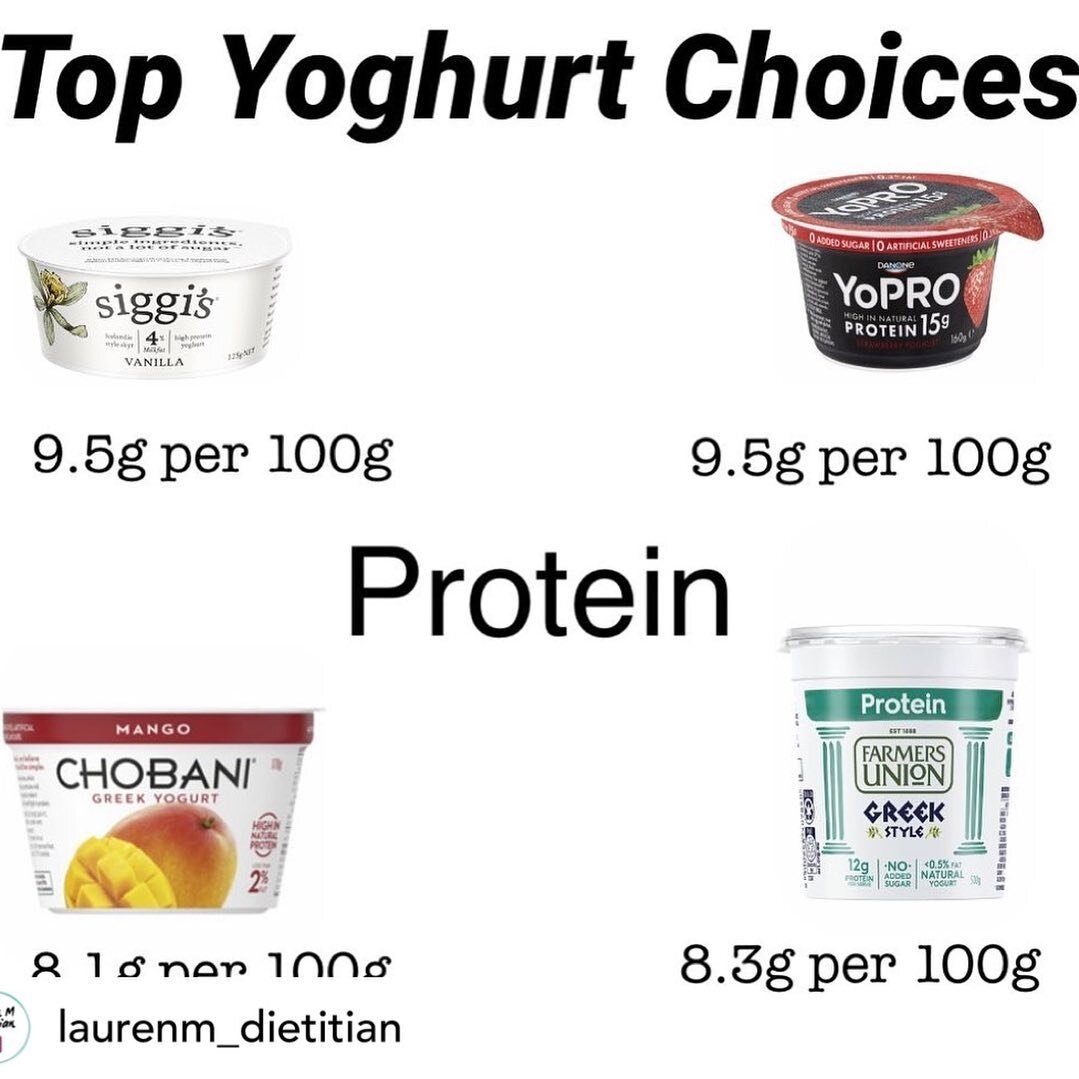
Are you eating enough protein?

Although I'm a Nutritionist I'm also a massive nerd, which is why I'm finishing off the last few units in my Masters of Human Nutrition.  I've just submitted my latest paper towards my Masters and the topic I chose to write about was managing obesity via high protein diets.  After reviewing many random control trials and meta-analyses it is pretty clear that increasing dietary protein in the place of refined carbohydrate is a useful tool for reducing and maintaining weight.  This is because protein is satiating, increases your metabolic rate and also appears to affect the hormones that stimulate appetite.  Higher protein diets also tend to be easier to stick to long term.

I'm not suggesting that you need to become a body builder (in fact amounts in excess of 2g/kg body weight are difficult for the kidneys to process).  In fact most people in Australia consume enough protein in their day.  What does go wrong is that people don't tend to eat enough protein at breakfast and lunch leading to them overeating at dinner.

So what should a serve of protein look like and how much do you need?

WOMEN AGED 30-50 NEED 3 SERVES OF LEAN PROTEIN AND 2- 3 SERVES OF DAIRY EVERY DAY

proteinserve.jpg

A good guide to estimate a serve of lean protein is that it should be the size of a deck of cards.

Dairy is another excellent source of protein and women aged 30-50 should include 2-3 serves of dairy or calcium rich substitutes each day:

7 tips for mindful eating at Easter

mindful eating easter

I love the Easter break - we usually head to Canberra for some gorgeous Autumn weather and have an easter egg hunt in my parent's garden with the other grandchildren.  You might be surprised that I like to enjoy nibbling on a chocolate egg myself, I'm not in the corner enjoying a "guilt free" paleo bliss ball or other such nonsense.  Indulging in festive treats with your family is part of normal, healthy eating.  Easter can be a tough time for those on a self-imposed ‘diet’. Here's my top tips for enjoying Easter mindfully with your family and friends so that you can manage your weight, energy levels and mood:

  1. Choose good quality dark chocolate that you really enjoy. Savour it. Don't eat it in front of TV or Facebook. Think about how much you are enjoying that piece and when your pleasure diminishes put the egg away.

  2. Don't waste your calories on tiny little choc eggs that are full of fillers. Psychologically with the little eggs you don't realise how many calories you are actually consuming and a small bag can set you back 800 calories or so

  3. If chocolate isn't your thing perhaps your gift from loved ones could be a new running top, a great book or movie tickets

  4. Use the Easter break as an opportunity to fit in more exercise, either with your family or solo. We are planning some parkrun tourism as a family, I am heading to the gym before we leave tomorrow morning for a strength workout and I'll be slotting in a long solo run on Monday. Take your kids for a bike ride or to the park for a game of footy.

  5. Save the Hot Cross buns for Easter Sunday, they are a treat - you don't need them late April when I can guarantee they will still be on sale. I buy the mini buns or bake them myself

  6. Tune into your body's signals of hunger and fullness. The answer to the question "how much chocolate is too much" is feeling uncomfortably full or sick or no longer enjoying the food while eating it.

  7. Give away or toss any low quality extras after Monday - if they are in the house you or the kids will eat them eventually

Good quality dark chocolate has been linked to reduced risk of cardiovascular disease and improved exercise performance.  The health benefits are due to the flavenols in the cocoa which are full of potent antioxidants.  Don't forget though that flavenols are also contained in fruit, vegetables, red wine and tea.

Consider Mindful Eating  over the Easter break by making more conscious food choices, paying attention to how you eat, and practicing self-acceptance.   Happy Easter!

Do you need help getting your healthy eating back on track?  My 6 week customised nutrition program was specially designed to help you establish healthy eating habits, lose weight,  or recover from the diet cycle.  Find out more here.  


Print Friendly and PDF

Canned Tuna - what should I look for?

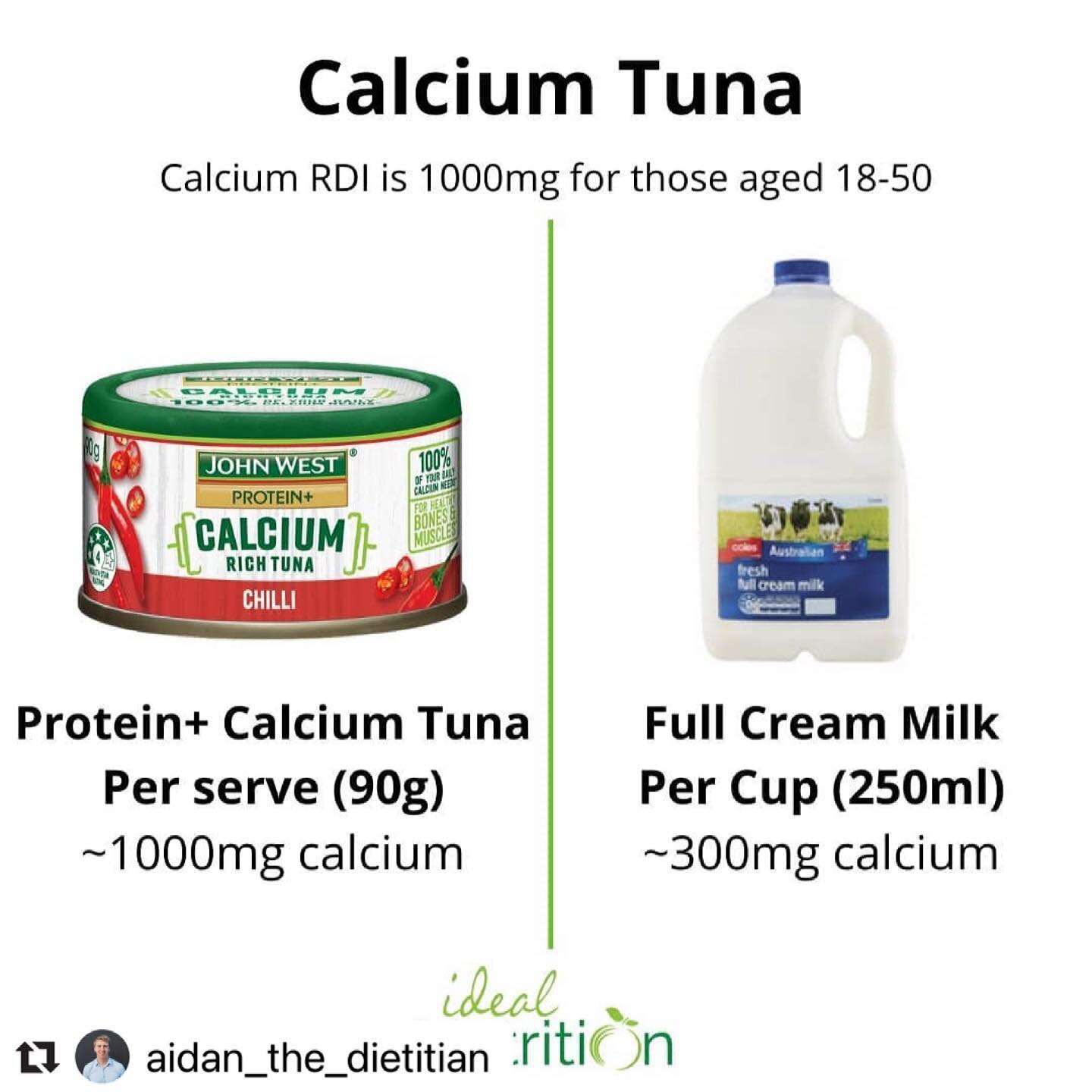
Canned Tuna, the staple of many a quick lunch.  Did you know though that some varieties only contain about 40% fish, leaving you with a rumbling stomach an hour later? Here are some good options:

Sirena La Vita Lite

This taste wise is my favourite.  Contains 17g of protein with 2.3g of fat (95mg of Omega 3).  It is Pole & Line caught which is Greenpeace's preferred method.  It does have 480mg salt per 100g which puts in the moderately salty category.

I also like Sirena's "tuna & beans" which contains 28g of protein and 7g of fibre and 333mg of Omega 3.  Again a bit high on salt.

John West Tuna & beans is very similar nutritionally to Sirena's tuna & beans.

What to avoid - stay away from tuna in spring water.  While it is low in fat you miss out on the essential fatty acids.  Also avoid the flavoured tuna like John West Tuna Tempters which only has 42% fish.

We do need to be mindful of mercury levels when eating fish.  It is generally safe for all population groups, including pregnant women, to consume 2-3 serves of any type of tuna or salmon a week, canned or fresh.  Canned tuna usually has lower mercury levels than other tuna because tuna used for canning are smaller species that are caught when less than one year old.

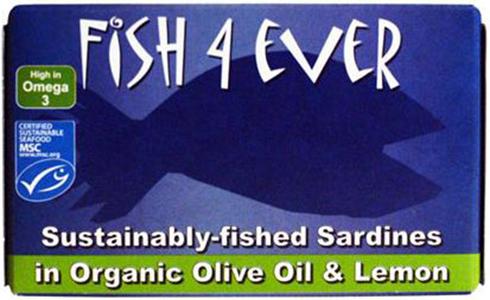
If you like the flavour, tinned sardines trump tinned tuna in terms of nutrition.  The fish bones are a great source of calcium and the essential omega3 fats are about 3 times as high as tinned tuna.  King Oscar, Fish 4 Ever and Brunswick are all good.  Because they are a small fish sardines also have low levels of mercury.


Print Friendly and PDF

So, if I shouldn't drink soft drinks - are diet soft drinks OK?

429_1_1436879870.jpg

I think by now we've all realised that sugar is a big part of the obesity epidemic and cutting out soft drinks is a great way to improve your weight and with that reduce your risk of obesity, type 2 diabetes, and prevent certain types of cancer.  So are diet soft drinks a better option? Well, no.

Diet soft drink appears to contribute to weight gain also.  A  recent study of 66,000 women over 14 years found an increased risk of type 2 diabetes for consumers of diet drinks.  A study published in Diabetes Carefound daily consumption of diet soft drinks was associated with an increase in metabolic syndrome and type 2 diabetes.

The research into the effects of diet drinks on humans is still in its early days and the reasons for the associated weight gain are still not fully clear however it is thought that because artificial sweeteners are hundreds of times sweeter than sugar our genetically-programmed preference for sweet taste is activated.  The diet drinks make your metabolism think sugar is on its way which causes the production of insulin which causes your body to store fat.

Diet drinks also seem to affect bone strength and risk of fractures. One 2014 study found that each daily soft drink (diet or non diet) increased the chance of hip fracture by 14% for postmenopausal women.

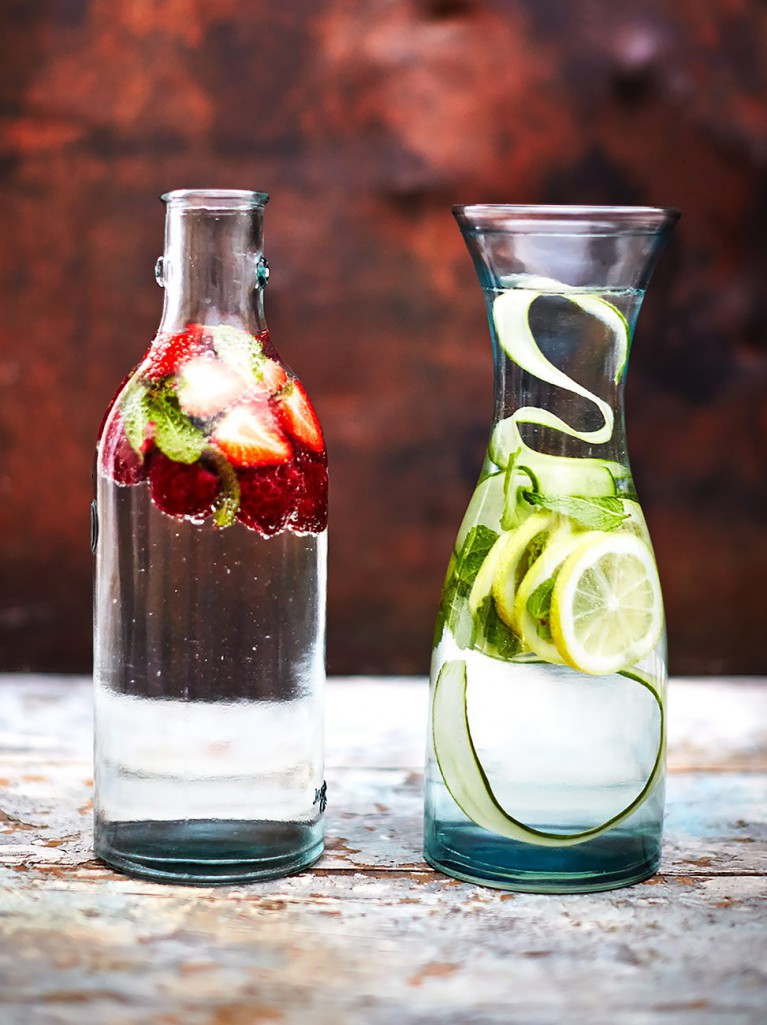
Instead of soft drinks chose water or green tea.   In summer I use our soda stream to carbonate cold water and add a few slices of lime, cucumber or a crushed handful of mint.  Cheers!

429_1_1436879870.jpg

429_1_1436879870

Print Friendly and PDF

Carbohydrate Loading for endurance events

As I enter the taper period for my fourth marathon I thought I would write down how to carb-load successfully.  I remember all too clearly the feeling of hitting the "wall" from my first half marathon where I just wanted to lie down and have a nap at the 17k mark.  Fast forward 12 more half marathons, 3 marathons and  a sports nutrition qualification, it turns out carb loading is much more than a bowl of pasta the night before a race.

For races lasting longer than 1.5 hours such as a marathon or half marathon, it’s beneficial to “carbohydrate load” for the 2-3 days before your race. The carbs are stored as glycogen in your muscles and liver. During the full or half marathon you will burn both fat and glycogen stores for energy, but it is harder for your body to convert fat to fuel. The goal is to arrive at the start line with your body’s glycogen stores full from carbohydrates to delay fatigue and performance decline. A full tank of glycogen and regular carbohydrate and fluid intake during the race will help you avoid hitting “the wall”. For it to work properly the carb load needs to be combined with an exercise taper as well.

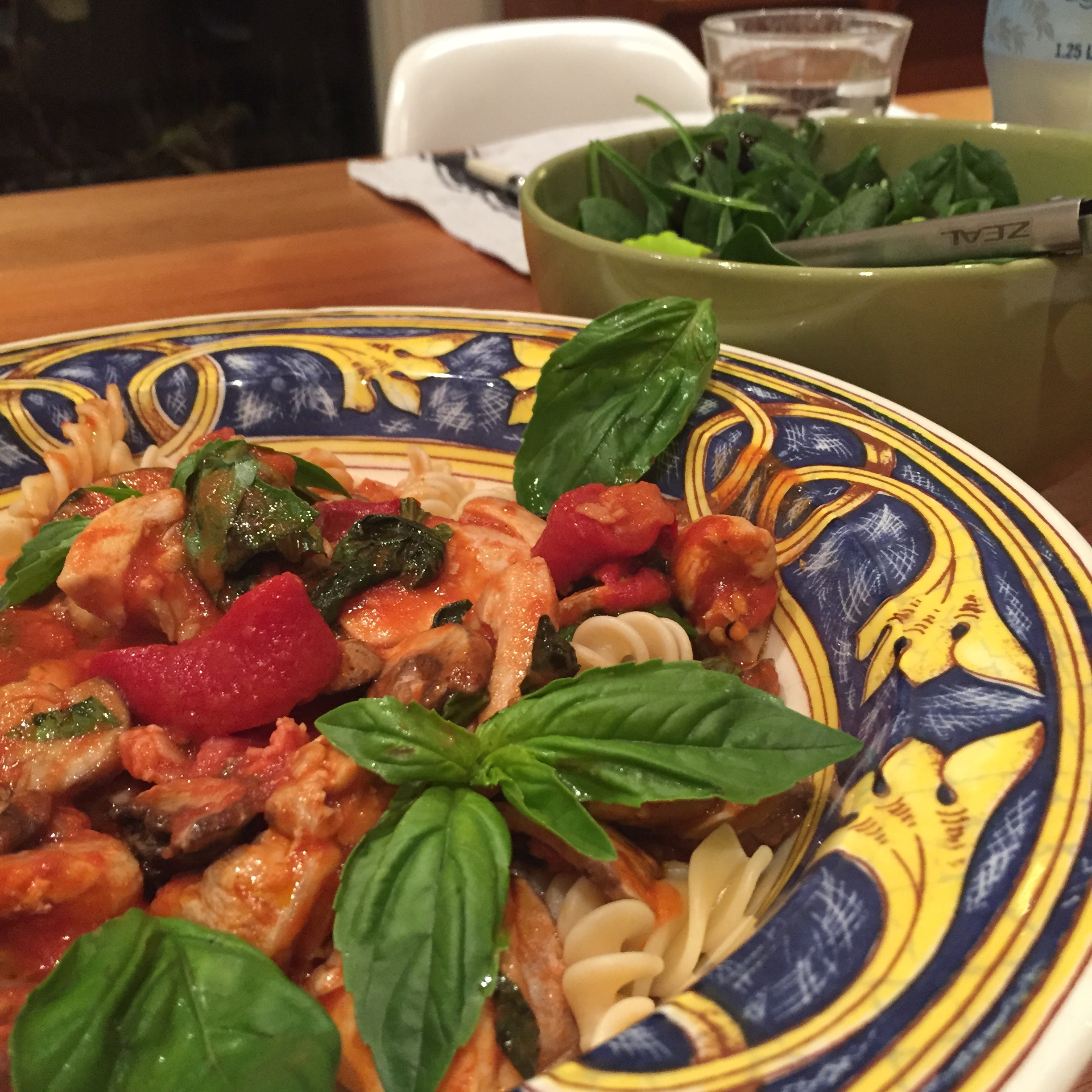
Start your carbohydrate load 2-3 days before the race. You can’t fill your muscles with glycogen from just one meal, so a big pre-race pasta is not enough. For a Sunday marathon, I start on Thursday. For a Sunday half marathon I start on Friday. Carbohydrates should become about 70% of your diet. You don’t eat more during the load, you just replace protein, fibre and fat with carbohydrate. Be smart about your choice of carbs - although lasagne is delicious it’s very high in fat and protein so you’d be better off choosing pasta with a tomato based sauce. I prefer to make my dinner smaller and my lunch bigger on the day before the event so I have plenty of time to digest it.

You should be targeting between 8-12 grams of carbohydrate per kilo of body weight over the carb load period. So a 60 kg runner would need to consume between 480 and 720 grams of carbs over the day. As a guide 2 slices of white toast contain about 50 grams of carbs. Personally I can only manage to get in closer to the 8 grams per kilo target, the 12g/kg guide is more for ultra endurance events like ironman. If it’s your first time carb loading I’d suggest sticking to the lower end of the range. I add in some Gatorade and fruit juices to help top up my stores as I struggle to eat enough carbs otherwise.

The carbs you choose should be low in fibre to reduce the chances of getting an upset stomach during the race.   This is the time to choose white bread, rice or pasta over wholemeal. You can go back to your quinoa after the marathon. You can also enjoy some of the foods you might not normally eat such as a crumpet with honey.

chickencacciatore.jpg

You might find you gain some weight, this is because the glycogen stores water with it, which helps ensure you are well hydrated to start the race. You’ll use this water during the race so don’t worry about the water weight - think of yourself as a camel! Your pee before you start the race should be light in colour to show that you are adequately hydrated.

The AIS website is very useful in terms of figuring out how many carbs are in a serve.

The following diet is suitable for a 60kg runner aiming to carbohydrate load:

This sample plan provides approximately 10,153 kJ, 427 g carbohydrate, 74 g protein and 42 g fat. This is not an exact plan, you might need to consume more or less depending on your weight, sex and training volume.

Wishing you all the best on your 42.2 kilometre victory lap - you’ve done the work, now enjoy the run!

Want to know more about how to fuel properly for your next endurance event?  Check out my 8 week endurance nutrition program here.


References

Bourke, L (2010) Clinical Sports Nutrition 4rd edition. Mc Graw HillAustralian Institute of Sport Carbohydrate Loading Factsheet

Meal plan calculated on Foodzone

Cold-pressed juices - should you be buying them?

greenjuice.jpg

Every where I look, the supermarket, the deli, the coffee shop  - cold-pressed juices are front and centre of the display, and they are expensive - $8 - $10 a bottle.  Should you be buying them? The marketing spin is that the cold press crushes and squeezes rather than damaging the nutrients through the heat and oxygen used by a standard juicer.  Sounds legit, right?  However the marketing hype has rushed ahead of the science.  Even if there are more nutrients, can our systems absorb them?  The average Australian diet already contains more than enough Vitamin C, and any excess just ends up down the toilet.  The way your gut absorbs nutrients depends on what else you are consuming.  For example, the extra virgin olive oil that you dress your salad with helps your uptake of some of the vitamins in your salad.

Chewing your food, rather than drinking it signals to your brain that you are getting full, it's easy to miss the satiety cues when drinking your calories.

All that said, the typical Australian diet does fall really short on getting in at least 5 serves of veggies every day.  Drink cold-pressed juices if you enjoy them and can afford them, but be sceptical about the claims on the bottle.  So you don't end up with a meal's worth of calories make sure they contain no more than one fruit and the rest is vegetable content.  Some of the juices for sale contain 88% fruit juice which is a significant source of sugar and calories.

I like to make my own green juice if I've not been getting enough veggies.  I use the thermomix so I can retain the fibre - here's my recipe.

greenjuice.jpg

green juice cold-pressed

Green Juice

Author:

rachel

Serves:

3

Ingredients

  • 250ml coconut water, water or chilled green tea
  • 1 apple
  • 2 cucumbers
  • 2 celery stalks
  • thick slice of lemon
  • 2 large handfuls of baby spinach or kale

Instructions

  1. Put all the ingredients in a high speed blender like a thermomix or vitamix. Process for one minute. Enjoy straight away.

3.3.3077

Print Friendly and PDF

Creating your own food rules

wine-and-one-glass.jpg

I was reading this very interesting article about Food Rules and it made me think about how I was able to shift 10 kilograms of post baby weight with a mindset change about 5 years ago.

My rules are:

1.  Make an appointment for exercise.  Yes I would rather be meeting my friends for a coffee after school drop off but they know that's when I get my run or weights in.  It's an appointment in my diary that I prioritise.

2. Avoid wasting calories.  I think this is one of the reasons that the 5:2 diet and other intermittent fasting models work.  For me a weekday lunch where I am grabbing something quick on my own I make it a salad with protein or a salad packed wrap and protein.  I save beautiful sourdough bread, aged cheddar and ham off the bone for weekend lunches with my family.  This is similar to what Susie is mentioning about avoiding the cheap office birthday cake.

3.  I always make myself/pack something to eat for 3 or 4pm before I get really hungry. I grab a corn thin with ricotta and tomato, some almonds and grapes or some veggie sticks and humous.  If I do this I don't start hunting for food at 530pm and eating two dinners.

4.  I don't have packaged biscuits in the house (otherwise see point 3)

5.  I try to only have wine with company.  My husband is away a lot for work so I don't drink unless he is at home too.  I also skip wine at school P&F meetings and the like.  But not book group - when I'm having a nice night out with friends it is lovely to share a beautiful bottle of wine.

One of the subjects that I'm studying at uni this term is Food Behaviour, I am finding it fascinating so far.