10 easy snacks for busy women

10 easy snacks for busy women

What do you do when the 3pm energy slump hits?  Do you grab a biscuit from the office stash or ignore the slump and hope it passes?  For me if I don't make the effort to have a small snack at this time I get very hangry and snap at everyone around me. 

Read More
Print Friendly and PDF

Product Review - Naked Kitchen Black Bean Chilli with Red Quinoa & Paprika

Product Review - Naked Kitchen Black Bean Chilli with Red Quinoa & Paprika

I'm always on the look out for shelf stable products that are healthy and delicious that I can serve up for a quick lunch or dinner.  Since my daughter became vegetarian I've explored some new areas of the supermarket and came across this product in the fridge section which she and I both think is delicious!

Read More

5 Easy Office Lunches

5 Easy Office Lunches

Does this sound like you? Can I guess why? Like a lot of the women I see, you've had a coffee and maybe a slice of toast for breakfast. You've chosen a tuna salad for lunch - because you are trying to be "good". By 3 pm you are all about the easy carbs - picking at the kids’ leftovers and in and out of the kitchen after dinner. That's because you've barely eaten enough to make it from your bed to the sofa let alone provide yourself with enough energy to do all the things you need to do in your day!  Crowd out the junk food by getting your lunch right. 

Read More

Should you consider a low FODMAP diet?

Should you consider a low FODMAP diet?

For some people, a diet high in FODMAPs can cause a range of abdominal symptoms such as bloating, excess wind, distension, abdominal pain, constipation or diarrhoea (or a combination of both). Following a low FODMAP diet can help manage these abdominal symptoms - 75% of people with IBS experience relief from their symptoms with a low FODMAP diet.

Read More

Sports Nutrition for Teenagers

Sports Nutrition for Teenagers

Do you have sporty teenagers?  With the winter sports season kicking off, you might be wondering if your teenagers are eating the right types of food to support healthy growth and development as well as their training and competition. It's not all about protein powder to get "shredded", or litres of sweet sports drinks!

Read More

12 Days of Christmas

12 Days of Christmas

I hate to use the term superfoods (eye roll) but I was thinking about all the lovely food we are blessed to be surrounded by this time of year and that I associate with Christmas.  I thought I'd share some of their health benefits as well as recipes that my family enjoy this time of year.  I'd love to hear about your Christmas super foods too!  My favourite part of Christmas is sharing a meal with the people that I love.  Food should be seen as part of the celebration - not something to feel guilty about.  Include plenty of fresh fruit and veggies and some lean protein and use the time off work to schedule in a walk or run.  Consider Mindful Eating  over the Christmas break by making more conscious food choices, paying attention to how you eat, and practicing self-acceptance.   

Read More

Sports Nutrition for Competitive Adolescent Athletes

Sports Nutrition for Competitive Adolescent Athletes

I was lucky enough recently to be able to work with an athlete preparing for the Australian Schoolboys Rugby Union Tournament.  He was interested in maintaining his work rate, making his tackles and not fatiguing in the second half of the game.  Here's some of the key points we came up with.  Of course, every athlete is different with different food preferences, requirements and backgrounds. What is right for one athlete may not benefit the next - so make sure that your sports nutrition advice is tailored to your goals.  

Read More

Fasted training for endurance athletes

Fasted training for endurance athletes

Should you skip breakfast before you exercise?

Read More

Banana, date and almond protein porridge

Banana, date and almond protein porridge

It's sooooo cold in the morning in Sydney at the moment and I love a warm bowl of porridge, but I'm often hungry a couple of hours after I've eaten it.  I've come up with a fabulous trick to increase the protein of your porridge to keep you full all morning.

Read More

nuun electrolyte tablets

nuun electrolyte tablets

A long overdue post about my most used sports nutrition product - nuun electrolyte tablets.   Nuun tablets are added to water and replenish the electrolytes that are lost in sweat during exercise with only 1g of sugar (dextrose) per serve (compared to 36g of sugar in a sports drink).  Nuun contains the four main electrolytes that are vital in hydration and exercise performance and this year they will be the official hydration partner of the City2Surf

Read More

Beetroot Smoothie

Beetroot Smoothie

If you hang around the sports nutrition world you'll see there's a lot of fuss about beetroot juice, which has recently been promoted to a Grade A supplement by the Australian Institute of Sport.  Whether you are trying to improve your exercise endurance, improve your blood pressure or just add more veggies to your diet - check out my beetroot smoothie.

Read More

Mid-week Mojito

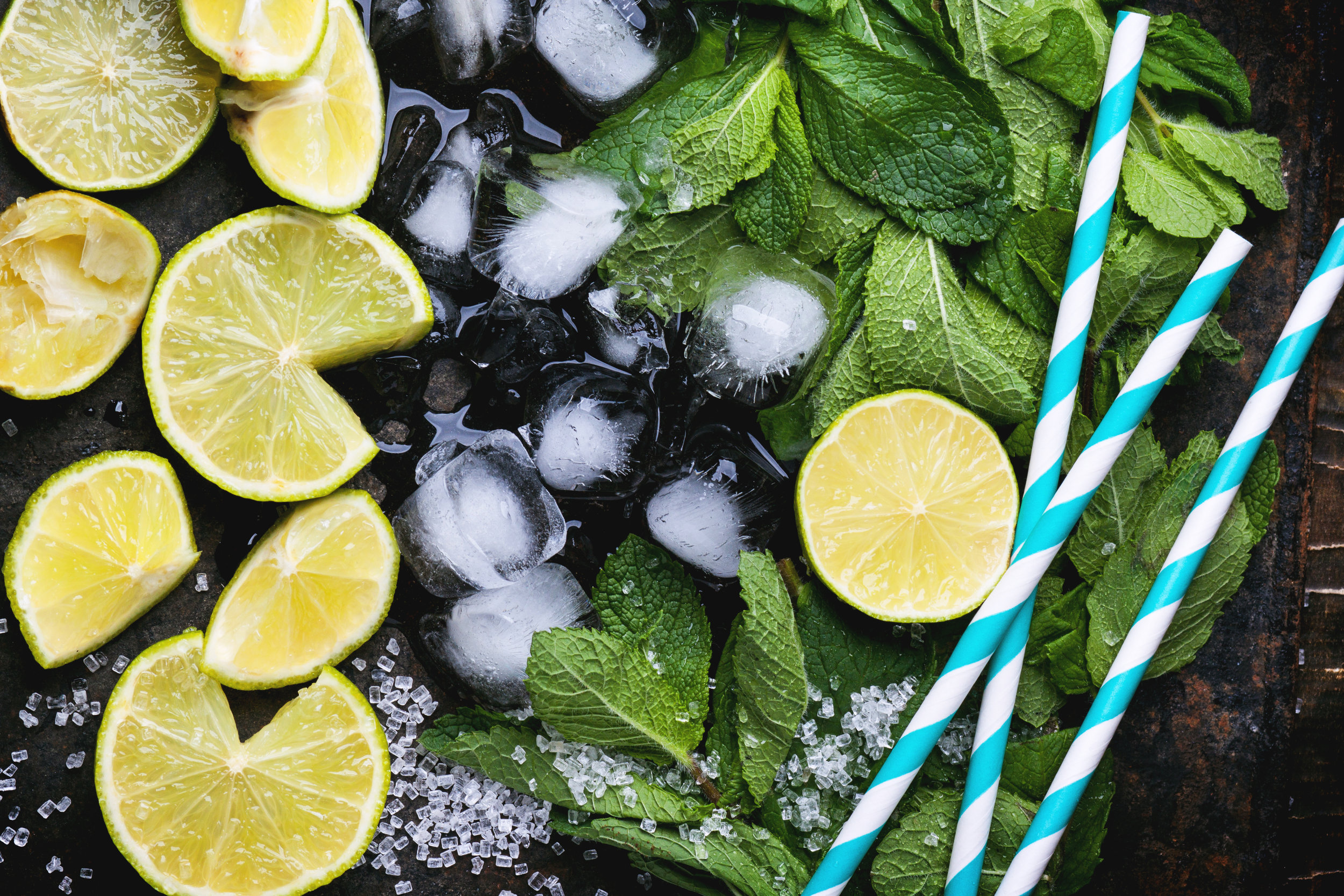
Presenting my mid week mojito...


INGREDIENTS

  • 4 peppermint tea bags
  • 1 cup mint leaves
  • 2 limes, juiced
  • plenty of ice
  • maple syrup (optional)

METHOD

  1. Add the teabags to 1 litre of boiling water and leave to steep in the fridge for 2 hours 
  2. Half fill a jug with ice, mint leaves and the lime juice.  Add the cooled tea.
  3. Stir through 1 tab table syrup if you like it sweet
  4. Enjoy in the sun!

INTERMITTENT FASTING - WILL IT WORK FOR YOU?

Intermittent Fasting diets have been popular for a few years.  Recently researchers from Austin Health and the University of Melbourne compared the results of the popular 5:2 intermittent fasting diet with a standard kilojoule reduced diet.  The 5:2 diet involves eating only 2,500 kilojoules (or 600 calories) on two non-consecutive days a week and then eating normally on the other five days.  Both diets demonstrated similar weight loss and reduction in body  fat and girth over a 6 month period.  

Often clients ask me whether an Intermittent fasting approach would work for them.  My answer is - it depends.  It works well for some people. If you are like Client A  who has a busy job, not really into food, happy to fast for 2 days because they forget to eat much at work anyway and don't feel the need to "feast" on the non fasting days an intermittent fasting approach might work.  

However for client B who works from home, prepares the family meals, who gets a lot of hedonistic pleasure from planning and enjoying meals (this is me by the way) - going 2 days with only 500 calories ("what does that equate to anyway?!") would find intermittent fasting a challenge.  

Client C might be a  strict "If it fits your macros"  gym-bro who isn't afraid to sacrifice meals, avoids "cheating" when a goal is near, and is used to restrictive eating might be able to persevere with intermittent fasting while they get results and then might move on to the next thing if intermittent fasting non longer works for them.  

Really, any approach that involves eating less and moving more is likely to get results. However with any way of eating before you commence it you need to think about whether you can imagine doing it for the rest of your life because that's ultimately the plan that will work for you.  

I'd prefer people to tune in to mindful eating, where they notice and enjoy food and recognise hunger and fullness cues.  I'd love to see more families cooking at home and eating together  with parents modelling a balanced, healthy approach to food.  You can find out more about mindful eating here and my coaching approach here.  

If you do decide to try intermittent fasting make sure you talk to your GP first. There have been concerns around risks for some people on certain medications or with particular medical conditions – fasting might make some conditions worse. If you're on medication for high blood pressure or type II diabetes, you may need a different medication regime on that day or a whole change of medication. Also in some susceptible people, it can stir up their liver as the fat starts emptying out of it. This can actually make the liver more inflamed and trigger liver disease. A similar thing can happen in the gallbladder, too.

My 3 top tips for eating mindfully

Mindful eating is all about focusing our attention on the act of eating.  It means eating with awareness and using all the senses - sight, sound, touch, taste and smell.  

image source: eatingmindfully.com 

I love this image from the guru of mindful eating - Susan Albers.    Before you start eating take a few deep breathes and truly concentrate on the taste of food.  Savour the flavours.  As you progress in your meal you might notice that the pleasure in eating decreases and the speed at which you are eating increases.  When the food is not giving you pleasure it might be time to put down your knife and fork.  

Here are some of my favorite ways of bringing mindfulness to mealtimes: 

Eat slower

It’s a good idea to remind yourself (and your family) that mealtime isn’t a race.  By eating slower you are more likely to notice when you are full.  S lowing down and chewing food properly helps you digest your food and helps prevent food-baby tummy aches we get from eating too quickly.  

REMOVE the phone.  TURN off the Telly. 

 do you see a spot for your mobile?  I don’t either

Our lives are full of distractions, and often families eat with the TV on or with someone playing with their iPhone. Try making family mealtime an electronics-free zone. I’m not saying you can’t ever eat pizza in front of the TV, but if you do want to do that - make it a deliberate choice. 

Pay attention to flavor

The tartness of lime, the spiciness of chilli flakes, the crunch of a pizza crust β€” paying attention to your food can be a great way to eat mindfully. When you eat on the go or get through your meal in five minutes, it can be hard to notice what you are actually eating, let alone truly savour all the different sensations of eating. 

Β 

Mindful eating can be a simple commitment to appreciating and enjoying the food you eat every day. It can be practiced with salad or ice cream, an apple or a piece of chocolate, and you can practice it at home, at work, or even as you snack on the go -though you may find yourself doing this less often.

Β 

When the focus becomes how you eat, rather than what you eat, you might find what you want to eat changes too.

If you'd like to learn more about MINDFUL EATING and be supported along the way with lessons and recipes click here

Print Friendly and PDF

Product review - HIT 100

As a nutritionist people often come to see me for weight loss, glowing skin or extra energy.  These might be a measure we can see on the outside but  I believe it is far more important to invest in your internal health and do everything you can to reduce the risk of lifestyle diseases like type 2 diabetes, heart disease and stroke.  Around 1.7 million Australians have diabetes, including silent, undiagnosed type 2 diabetes.  I wrote about pre-diabetes and insulin resistance here.  With more than 100,000 Australians having developed diabetes in the past year it is likely that you know someone living with diabetes.   

I first came across Hit100 when researching a university assignment looking at strategies for managing diabetes and insulin resistance.  Hit 100 is a meal delivery service catering specifically for people living with diabetes.  The meals have been developed by dietitians and prepared by chefs and are aimed at improving blood sugar levels. Hit100 were kind enough to offer me a few frozen meals to try.

We tried:

  • chicken tikka marsala

  • hearty beef stew

  • pumpkin and ricotta lasagna

There are plenty of other choices on the hit100 website including some great looking breakfast and lunch options like corn fritters and oat and berry pikelets.

What are they?

The Hit100 meals are based on the latest healthy eating guidelines containing non-starchy vegetables, good quality carbohydrates, healthy fats and lean proteins.  These are the guidelines we all should be following - whether or not we have insulin resistance, diabetes or not.

If you have diabetes you don't need to avoid carbohydrates - carbohydrates play an essential role in your diet as they are the main source of energy your bodies rely on to function optimally. Many carbohydrate based foods are also a good source of fibre, vitamins and minerals, which all act together to keep us healthy. 

How did they taste?

I heated the dishes in our oven (microwave for 5 mins is also an option) for 35 minutes and tried the meals with my two teenage kids.  We enjoyed all the meals with the favourite being the hearty beef stew closely followed by the chicken tikka marsala.  What I loved was the generous serve of veggies on the side.  I was concerned that the veggies would not heat up well in the oven but they had a delicious lemon salsa on them and were all eaten up.  

I liked that the meals had a decent amount of protein (17 for the lasagne to 29 for the beef stew) and you could see real pieces of chicken and beef.  The sodium levels are less than 120mg/100g which means they are considered as low in salt.  The portion size was ideal for a woman, an active teenager or man might like these for lunch or need some extra veggies at dinner.

When would I use these?

While I am a big fan of cooking and believe you can put together a quick healthy dinner in less than 20 minutes, I realise not everyone likes cooking and also sometimes even 20 minutes is too much to ask.  These are a great option to have in the the freezer and much much healthier than takeaway pad-thai.  I also think they would be a great option to get for an older parent or friend who might not enjoy cooking for themselves.  

Want to know more?

You can head over to the Hit100 website and try an introbox.  

Want to know more?

You can head over to Hit100's website and try an introbox - which is a great taste tester of what they're all about.  For $69.95 you’ll get:
+ 5 main meals
+ 2 mini meals
+ 2 breakfasts
+ 2 yoghurts

Enter coupon: β€˜racheleagleton10’ at checkout to receive this exclusive $10.00 discount (valued at $79.95)!

* As mentioned Hit100 provided these meals free to me for my review.  I only post reviews of products that I like and am happy to use. The views and opinions expressed on this blog are purely mine. Any product claim, statistic, quote or other representation about a product or service should be verified with the manufacturer or provider.

Β 

Print Friendly and PDF

Insulin Resistance and Pre-Diabetes

Photo by udra/iStock / Getty Images

Could you have insulin resistance or pre-diabetes? Insulin Resistance is a silent condition which occurs when cells in your body stop responding to insulin. Insulin is produced in response to blood sugar sugar - it tells the cells to metabolise the sugar by burning out for energy or storing.  Insulin helps keep your blood sugar levels stable so that sugar can be used as a fuel source in your muscles and liver. 

People with insulin resistance have normal blood glucose levels, which is why it is hard to diagnose.  However although the blood sugar levels are being controlled, more and more insulin is required.  The presence of all this excess insulin in the body is thought to be linked to heart disease, high blood pressure, fatty liver and even some cancers as well as type 2 diabetes.   

Pre-diabetes is a condition in which blood glucose are higher than normal but not high enough for a diagnosis of diabetes. People with prediabetes are at increased risk of developing type 2 diabetes and CVD, which can lead to heart attack or stroke.

A new client of mine came to see as she had a health scare.  Her blood sugars were on the high side.  She was sent for a fasting glucose test which found Impaired Glucose Intolerance with a  level of 8.3 (normal range is 3.6-7.7).  My client saw a diabetic consultant who was helpful but was still confused about an eating plan that would suit her and her lifestyle.  Here's what my client said:

"What I love most about Rachel is she is very positive and encouraging. She kept telling me that there is nothing I cannot eat, but just to watch the amounts. Rachel had me keep a diary of the meals I had everyday for a few weeks.  InitiallyI did have my doubts and worried about keeping to a diary. But it is not difficult.  My family and I even took a holiday to Spain and Singapore in June and I was worried about the foods but it was no problem.
2 weeks ago, I had another blood test for the sugar level and it is now only 4.9, with fasting. Am overjoyed and knew that the plan on the right foods worked. My specialist told me if I stick to this, I will never be diabetic.  Anyone can do this.
 I highly recommend Rachel Eagleton."

I was overjoyed with my client's results.  While weight loss, glowing skin or extra energy might be a measure we can see on the outside I believe it is far more important to invest in your internal health and do everything you can to reduce the risk lifestyle diseases like type 2 diabetes, heart disease and stroke.  

Want to know more about designing a way of eating that works for you to manage your goals?  Read more here

Are you at risk of developing type 2 diabetes?  Take this test and talk to your GP

Read more about insulin resistance and pre-diabetes here

Β 

Β 

Β 

Product Review - Huma Chia Energy Gel

Are you training for the Blackmores Running Festival, Trailwalker or the City to Surf?  Not sure if you need to take gels?  Looking for a gentler alternative?

Recently Fletch from Running Science gave me a couple of Huma Chia Energy Gels to try.  Of course being a nutritionist, the first thing I did was to go straight to the Nutrition Information Panel to see what I was getting:


So what’s in a HΓΌma Chia Energy Gel?


Pureed fruit. Sea Salt. Water. Ground Chia seeds. Brown Rice Syrup. Evaporated Cane Juice. Citric Acid. Coconut Water.  I could see that I was getting 24g carbs, 100 calories and a good range of electrolytes.  From a macro and micronutrient point of the Chia Energy Gel was very similar to a GU. Fantastic.  So I set off on my run.
What does iT taste like?

I tried the Strawberry Lemonade flavour and I have to say - it is absolutely delicious and such a great change from the normal overly sweet taste of most energy gels that I have tried.  It had a very strong limey taste - like Lime Marmalade.  If you suffer from "flavour fatigue" towards the tail end of a marathon this would be fantastic to add in.  

I was concerned I would have tiny bits of chia seeds floating around my teeth but the chia is milled very fine and not noticeable.  The consistency was slightly thinner than a GU gel but not watery.  

When would I need this product?

If you are running or cycling for more than 75 minutes you will benefit from ingesting approximately 30-60 grams of carbohydrates every hour.  The use of a mix of Glucose (short and long chain) and Fructose increases carbohydrate absorption which is important in multi-hour events.

If your stomach doesn't handle traditional gels or sports drinks you might find the Huma Gels gentler on your stomach.  

Several of the the Huma Chia Energy Gels contain caffeine, and caffeine is proven to reduce the perception of fatigue with the ideal dose being 1-3mg per kilo of bodyweight.  The Strawberry Lemonade flavour had 25mg of caffeine so for a 60kg runner you could take several of these over the course of an event (assuming you are used to the effects of caffeine).  If you don't react well to caffeine there are caffeine-free flavours.

Don't forget to always consume your energy gel (regardless of brand) with water so that your body can process the gel.

Huma?

Where have you heard that word before?  If you've read Born to Run you'll remember the Tarahumara - a tribe of Mexican Indians who regularly compete in epic 100+ mile races as part of their culture. To fuel themselves on these ultramarathons, they use a special chia seed blend.  You can't read Born to Run without getting inspired to run on chia!

Are you training for an endurance event?  Did you know that using a scientific approach to nutrition in a marathon takes, on average, nearly 11 minutes OFF an amateur runner's finish time?  My 8 week Endurance Nutrition program focuses on supporting your marathon training with making nutritious food choices a priority so that you can get to the start line feeling great.  On race day you will be armed with well trialled strategies that work for you and will help you run your best fuelled marathon, half marathon or triathlon.

If you are interested in trying Huma Gels drop in to  Running Science and check them out. 


Are you eating enough protein?

Although I'm a Nutritionist I'm also a massive nerd, which is why I'm finishing off the last few units in my Masters of Human Nutrition.  I've just submitted my latest paper towards my Masters and the topic I chose to write about was managing obesity via high protein diets.  After reviewing many random control trials and meta-analyses it is pretty clear that increasing dietary protein in the place of refined carbohydrate is a useful tool for reducing and maintaining weight.  This is because protein is satiating, increases your metabolic rate and also appears to affect the hormones that stimulate appetite.  Higher protein diets also tend to be easier to stick to long term.

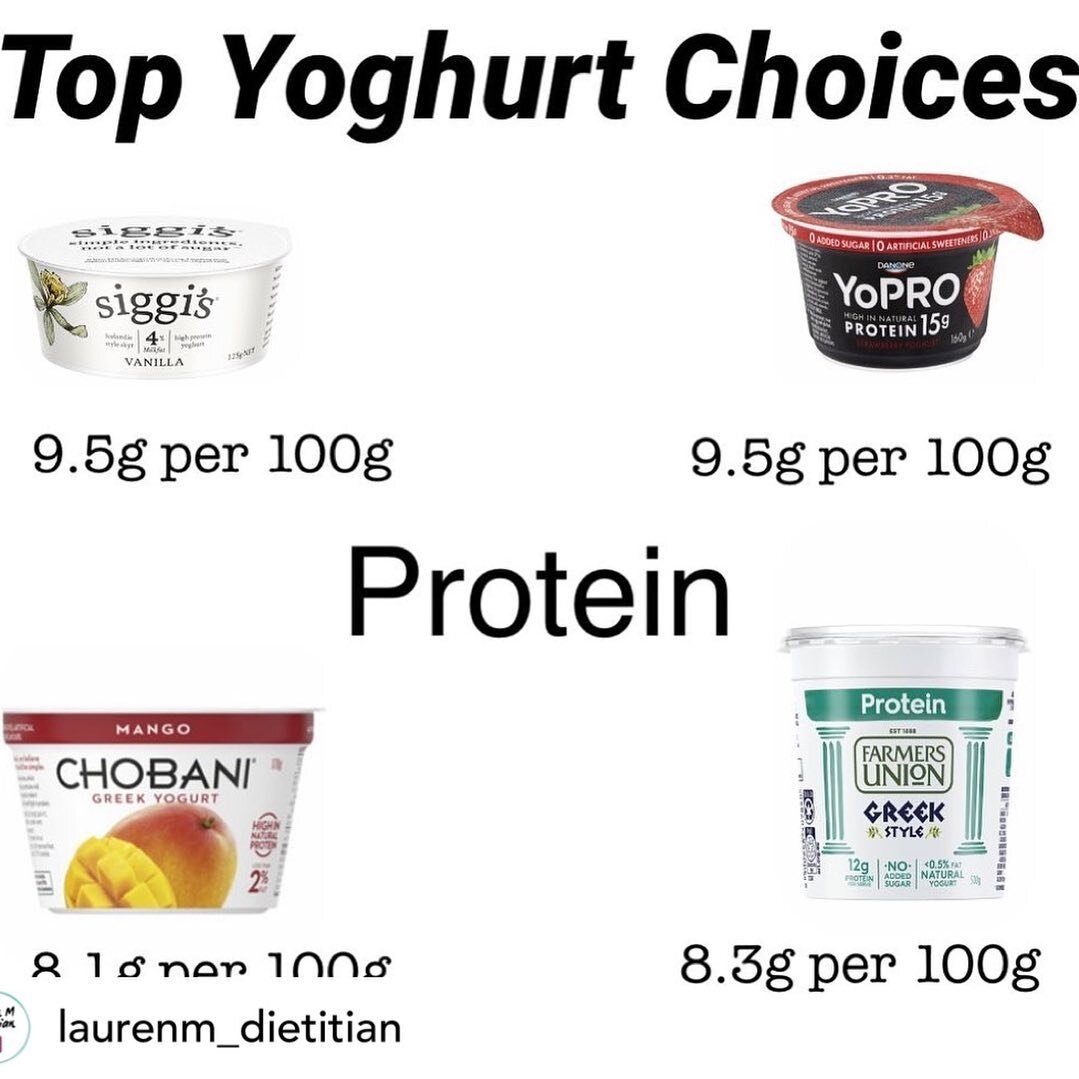
I'm not suggesting that you need to become a body builder (in fact amounts in excess of 2g/kg body weight are difficult for the kidneys to process).  In fact most people in Australia consume enough protein in their day.  What does go wrong is that people don't tend to eat enough protein at breakfast and lunch leading to them overeating at dinner.

So what should a serve of protein look like and how much do you need?

WOMEN AGED 30-50 NEED 3 SERVES OF LEAN PROTEIN AND 2- 3 SERVES OF DAIRY EVERY DAY

proteinserve.jpg

A good guide to estimate a serve of lean protein is that it should be the size of a deck of cards.

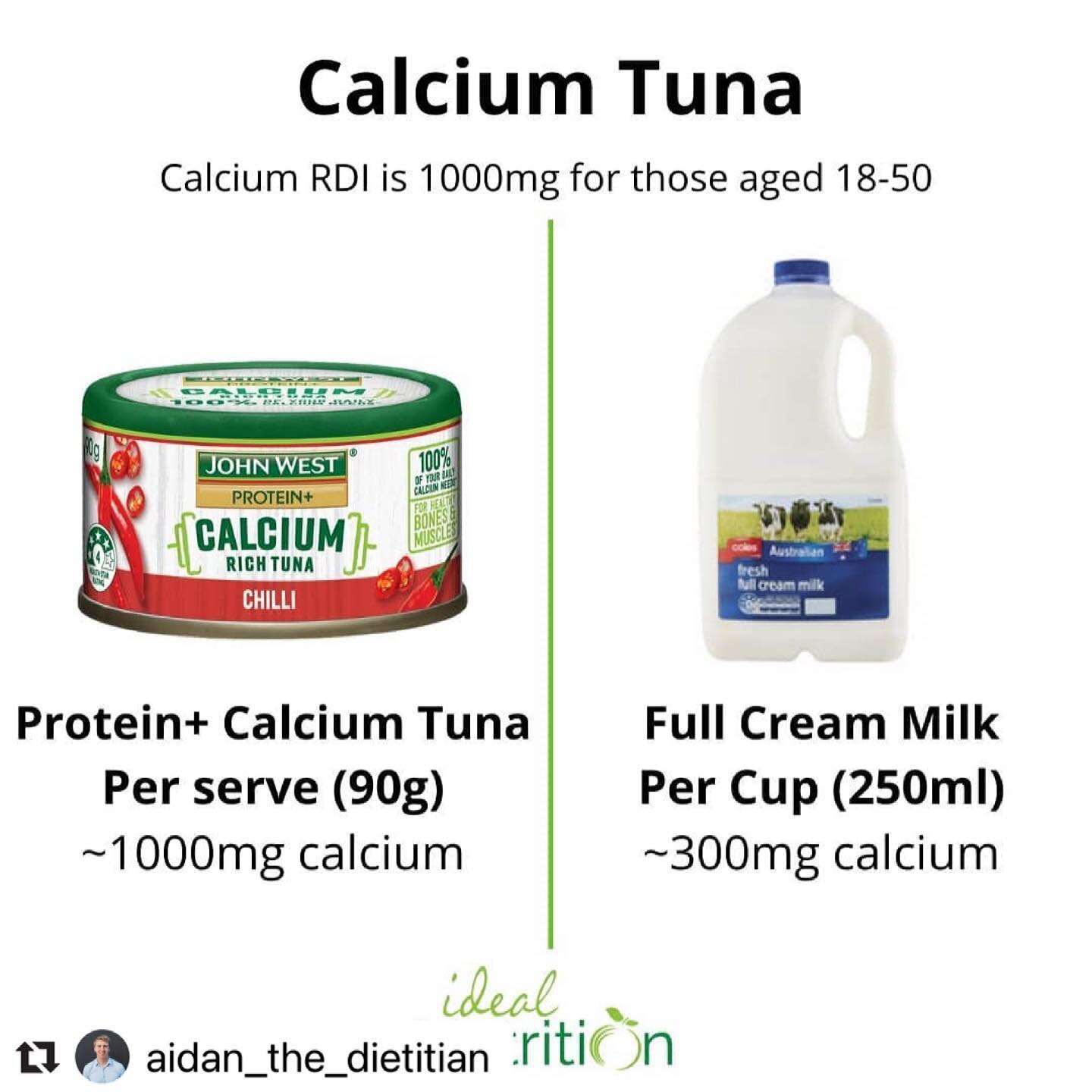
Dairy is another excellent source of protein and women aged 30-50 should include 2-3 serves of dairy or calcium rich substitutes each day:

Print Friendly and PDF

7 tips for mindful eating at Easter

mindful eating easter

I love the Easter break - we usually head to Canberra for some gorgeous Autumn weather and have an easter egg hunt in my parent's garden with the other grandchildren.  You might be surprised that I like to enjoy nibbling on a chocolate egg myself, I'm not in the corner enjoying a "guilt free" paleo bliss ball or other such nonsense.  Indulging in festive treats with your family is part of normal, healthy eating.  Easter can be a tough time for those on a self-imposed β€˜diet’. Here's my top tips for enjoying Easter mindfully with your family and friends so that you can manage your weight, energy levels and mood:

  1. Choose good quality dark chocolate that you really enjoy. Savour it. Don't eat it in front of TV or Facebook. Think about how much you are enjoying that piece and when your pleasure diminishes put the egg away.

  2. Don't waste your calories on tiny little choc eggs that are full of fillers. Psychologically with the little eggs you don't realise how many calories you are actually consuming and a small bag can set you back 800 calories or so

  3. If chocolate isn't your thing perhaps your gift from loved ones could be a new running top, a great book or movie tickets

  4. Use the Easter break as an opportunity to fit in more exercise, either with your family or solo. We are planning some parkrun tourism as a family, I am heading to the gym before we leave tomorrow morning for a strength workout and I'll be slotting in a long solo run on Monday. Take your kids for a bike ride or to the park for a game of footy.

  5. Save the Hot Cross buns for Easter Sunday, they are a treat - you don't need them late April when I can guarantee they will still be on sale. I buy the mini buns or bake them myself

  6. Tune into your body's signals of hunger and fullness. The answer to the question "how much chocolate is too much" is feeling uncomfortably full or sick or no longer enjoying the food while eating it.

  7. Give away or toss any low quality extras after Monday - if they are in the house you or the kids will eat them eventually

Good quality dark chocolate has been linked to reduced risk of cardiovascular disease and improved exercise performance.  The health benefits are due to the flavenols in the cocoa which are full of potent antioxidants.  Don't forget though that flavenols are also contained in fruit, vegetables, red wine and tea.

Consider Mindful Eating  over the Easter break by making more conscious food choices, paying attention to how you eat, and practicing self-acceptance.   Happy Easter!

Do you need help getting your healthy eating back on track?  My 6 week customised nutrition program was specially designed to help you establish healthy eating habits, lose weight,  or recover from the diet cycle.  Find out more here.  


Print Friendly and PDF

So, if I shouldn't drink soft drinks - are diet soft drinks OK?

429_1_1436879870.jpg

I think by now we've all realised that sugar is a big part of the obesity epidemic and cutting out soft drinks is a great way to improve your weight and with that reduce your risk of obesity, type 2 diabetes, and prevent certain types of cancer.  So are diet soft drinks a better option? Well, no.

Diet soft drink appears to contribute to weight gain also.  A  recent study of 66,000 women over 14 years found an increased risk of type 2 diabetes for consumers of diet drinks.  A study published in Diabetes Carefound daily consumption of diet soft drinks was associated with an increase in metabolic syndrome and type 2 diabetes.

The research into the effects of diet drinks on humans is still in its early days and the reasons for the associated weight gain are still not fully clear however it is thought that because artificial sweeteners are hundreds of times sweeter than sugar our genetically-programmed preference for sweet taste is activated.  The diet drinks make your metabolism think sugar is on its way which causes the production of insulin which causes your body to store fat.

Diet drinks also seem to affect bone strength and risk of fractures. One 2014 study found that each daily soft drink (diet or non diet) increased the chance of hip fracture by 14% for postmenopausal women.

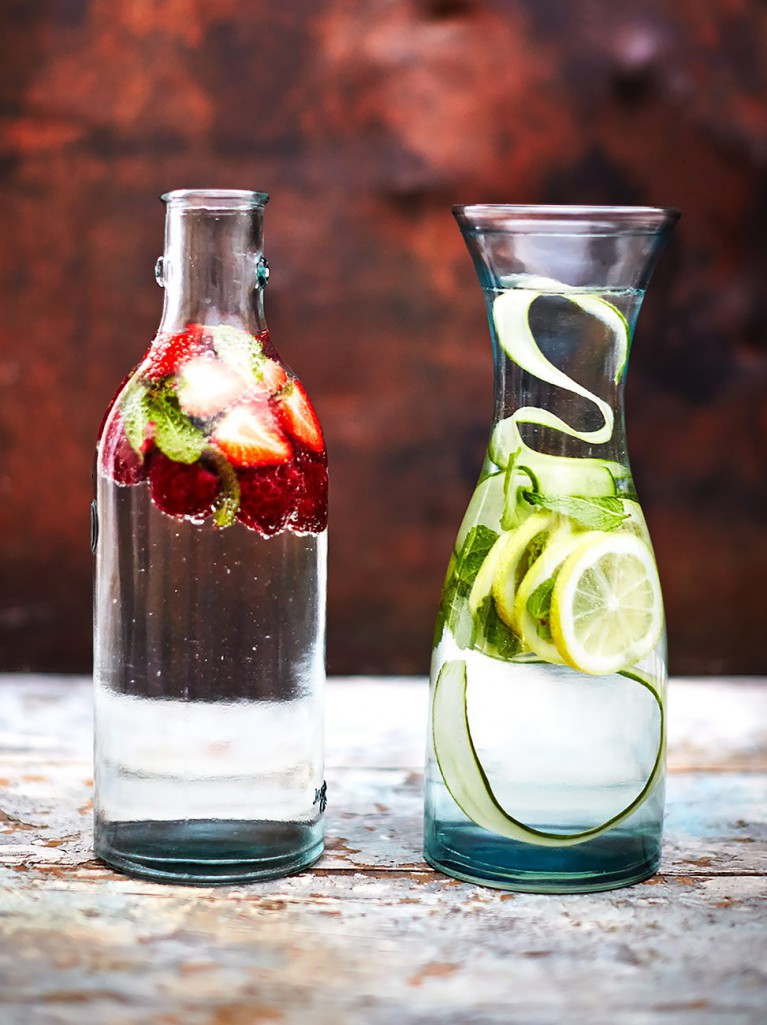
Instead of soft drinks chose water or green tea.   In summer I use our soda stream to carbonate cold water and add a few slices of lime, cucumber or a crushed handful of mint.  Cheers!

429_1_1436879870.jpg

429_1_1436879870

Print Friendly and PDF