7 tips for mindful eating at Easter

mindful eating easter

I love the Easter break - we usually head to Canberra for some gorgeous Autumn weather and have an easter egg hunt in my parent's garden with the other grandchildren.  You might be surprised that I like to enjoy nibbling on a chocolate egg myself, I'm not in the corner enjoying a "guilt free" paleo bliss ball or other such nonsense.  Indulging in festive treats with your family is part of normal, healthy eating.  Easter can be a tough time for those on a self-imposed ‘diet’. Here's my top tips for enjoying Easter mindfully with your family and friends so that you can manage your weight, energy levels and mood:

  1. Choose good quality dark chocolate that you really enjoy. Savour it. Don't eat it in front of TV or Facebook. Think about how much you are enjoying that piece and when your pleasure diminishes put the egg away.

  2. Don't waste your calories on tiny little choc eggs that are full of fillers. Psychologically with the little eggs you don't realise how many calories you are actually consuming and a small bag can set you back 800 calories or so

  3. If chocolate isn't your thing perhaps your gift from loved ones could be a new running top, a great book or movie tickets

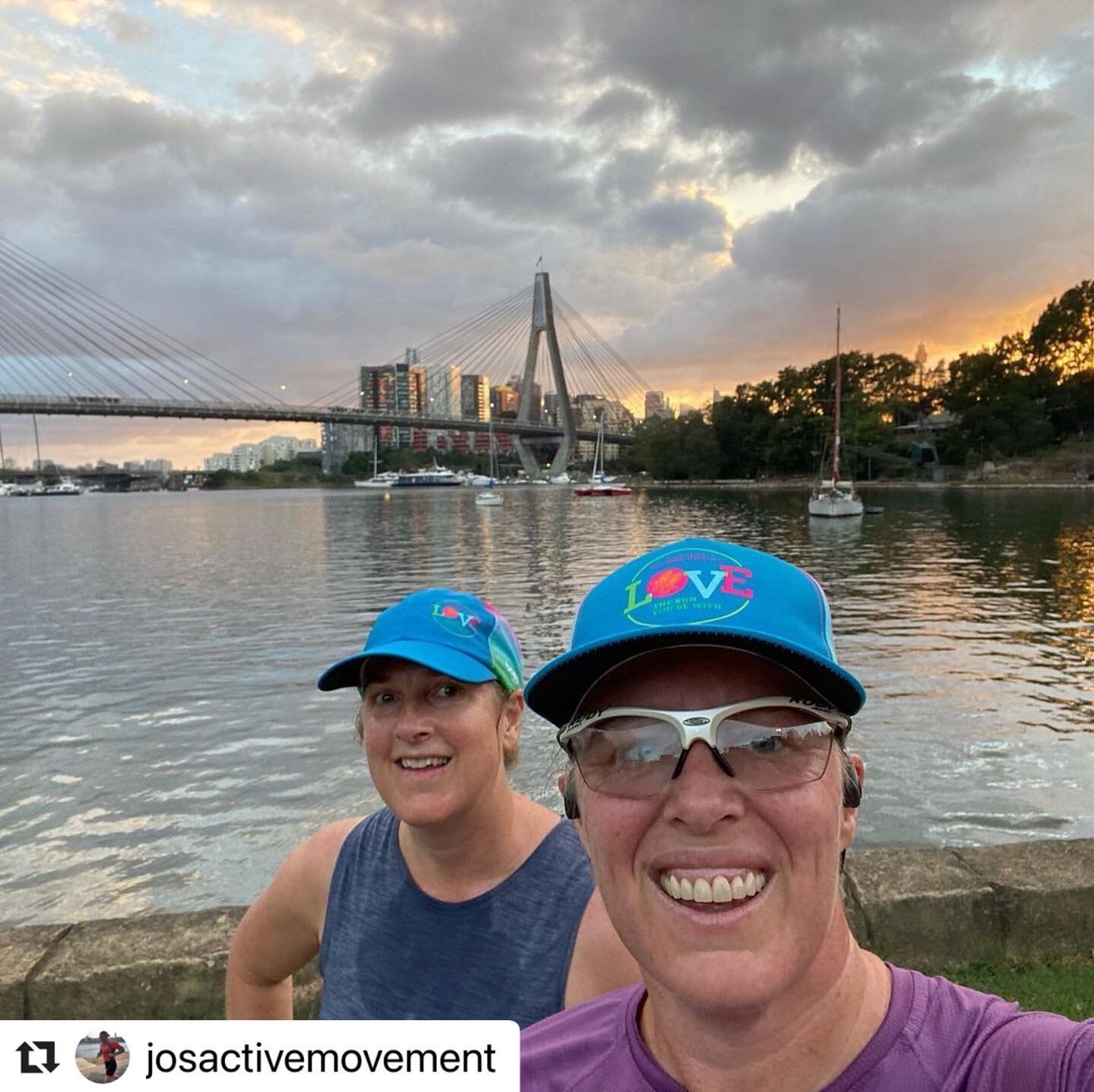
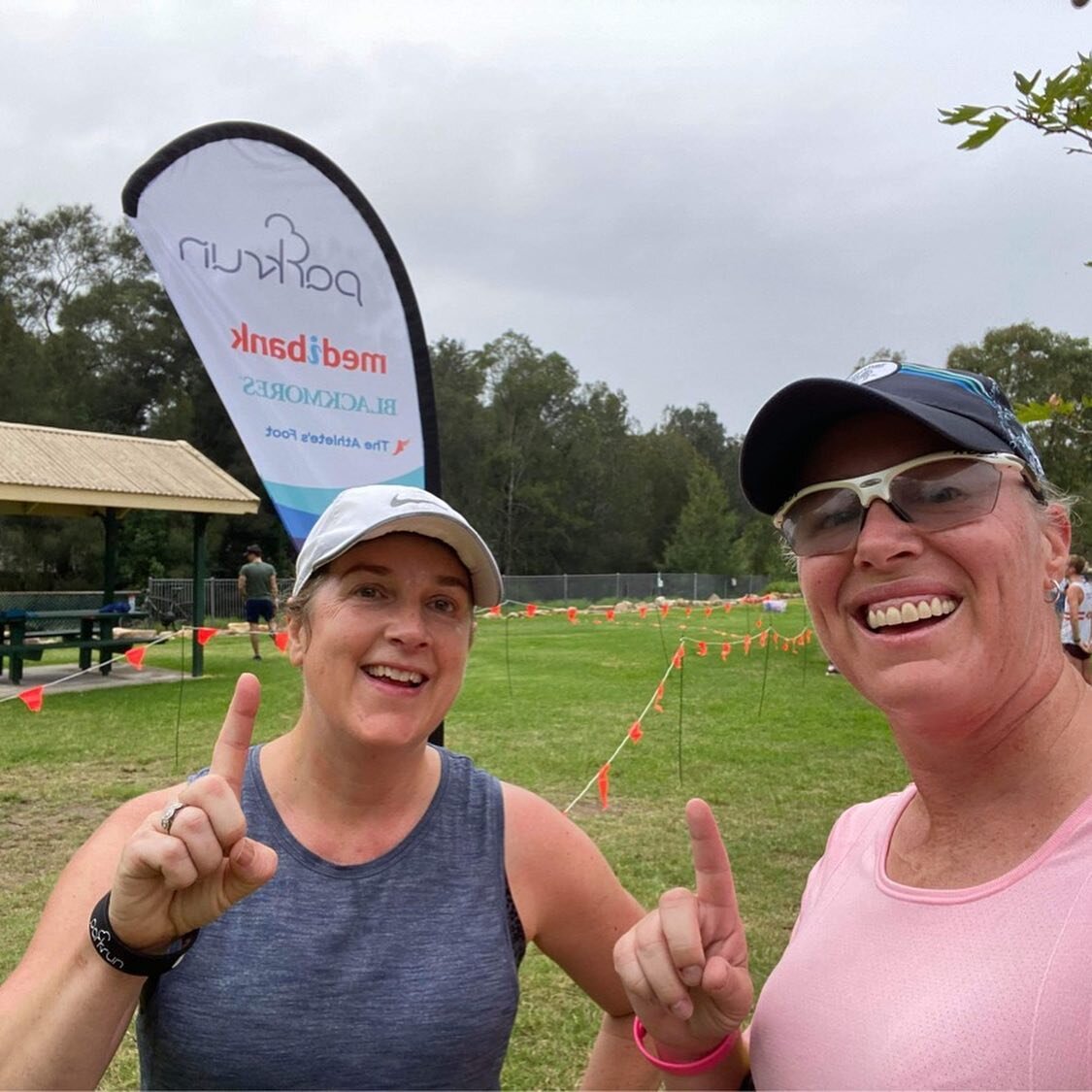
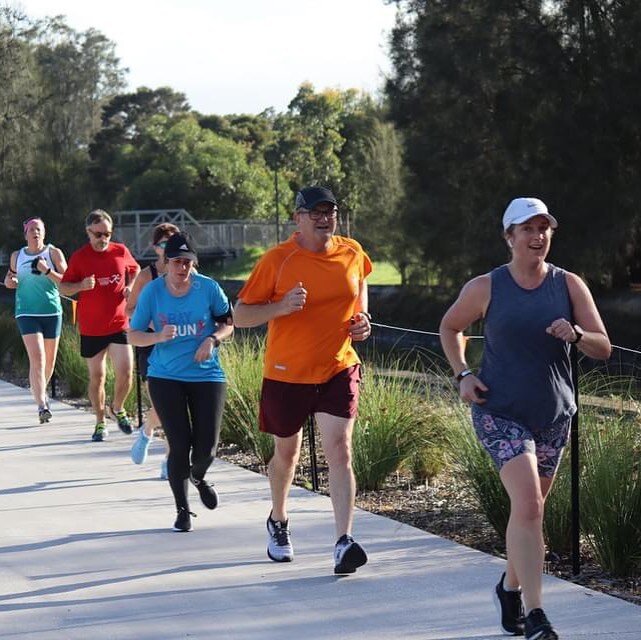
  4. Use the Easter break as an opportunity to fit in more exercise, either with your family or solo. We are planning some parkrun tourism as a family, I am heading to the gym before we leave tomorrow morning for a strength workout and I'll be slotting in a long solo run on Monday. Take your kids for a bike ride or to the park for a game of footy.

  5. Save the Hot Cross buns for Easter Sunday, they are a treat - you don't need them late April when I can guarantee they will still be on sale. I buy the mini buns or bake them myself

  6. Tune into your body's signals of hunger and fullness. The answer to the question "how much chocolate is too much" is feeling uncomfortably full or sick or no longer enjoying the food while eating it.

  7. Give away or toss any low quality extras after Monday - if they are in the house you or the kids will eat them eventually

Good quality dark chocolate has been linked to reduced risk of cardiovascular disease and improved exercise performance.  The health benefits are due to the flavenols in the cocoa which are full of potent antioxidants.  Don't forget though that flavenols are also contained in fruit, vegetables, red wine and tea.

Consider Mindful Eating  over the Easter break by making more conscious food choices, paying attention to how you eat, and practicing self-acceptance.   Happy Easter!

Do you need help getting your healthy eating back on track?  My 6 week customised nutrition program was specially designed to help you establish healthy eating habits, lose weight,  or recover from the diet cycle.  Find out more here.  


Print Friendly and PDF

Which oil is "best" for cooking?

Photo by Edgar Castrejon on Unsplash

Photo by Edgar Castrejon on Unsplash

I often get asked about which oil is "best" for cooking. Personally I use Australian Extra Virgin Olive Oil (EVOO) pretty much for everything.

EVOO is the highest quality olive oil, made by mechanically pressing olives and applying centrifugal force to separate the oil from water. With its vivid colours and rich flavours it's ideal for salad dressings, eating with bread and drizzling over dishes. High quality EVOO can reach smoke points at temperatures of between 200-215 degrees , making it a healthy option for most types of cooking, including oven baking.  EVOO contains natural antioxidants and vitamins A, D, E and K. Research has shown good quality EVOO reduces the risk of heart disease, type 2 diabetes and some cancers.  I use Australian EVOO as I've just seen too many reports of european olive oils that aren't 100% EVOO (or even 100% olive oil).

This article provides an excellent summary of which oil to use, when in your cooking.

Although the coconut oil brigade would have you believe otherwise, extra virgin olive oil can be used for frying, roasting and baking. Frying food in EVOO has been shown to transfer the antioxidant phenols from the EVOO to the veggies, improving the quality of the raw foods.

Remember that all forms of fat (whether EVOO, butter or coconut oil) contain the highest number of calories of any macronutrient, and if you eat more calories than your body needs you will gain weight.  Being overweight is a leading cause of chronic disease such as heart disease, stroke, Type 2 diabetes, insulin resistance and some cancers.  Coconut oil is often held up as a nutritionally superior oil, even being promoted for weight loss, however the study this weight loss claim was based on used very small sample size of 30 women.  Don't be under the illusion that coconut oil is a superfood with superpowers. It’s an oil.

Print Friendly and PDF

Gado-gado with Chicken sates

gadogado.jpg

I adore chicken sates and gado-gado, both firm favourites from learning Indonesian at school and many many visits to our northern neighbour.  I love gado-gado as a fantastic way of having a filling salad at dinner with plenty left over for lunch the next day.  Here's my recipe, adjust it to suit your favourite veggies.

I also have a low FODMAP satay sauce recipe which you can access here.


Ingredients

  • 600 gm, chicken, cubed

  • 1 onion

  • 2 tab lemon juice

  • 2 cloves garlic

  • sml knob of ginger peeled

  • 1-2 fresh red chillis (seeded if you don’t want it too hot)

  • 1/3 cup tamari

  • 1 tab brown sugar

  • 270ml coconut milk

  • ½ cup 100% crunchy peanut butter

  • 3 handfuls baby spinach

  • 4 soft boiled eggs

  • 6 new potatoes, boiled until soft, about 10 mins

  • 2 carrots

  • big handful of green beans

  • 2 lebanese cucumbers, cut into long batons

  • bean shoots

Method

  1. In a food processor blitz the onion, garlic, ginger, chili. Mix in the tamari, lemon juice and sugar. Add to a ziplock bag with the chicken pieces. Leave to marinate for a couple of hours in the fridge. Soak 12 bamboo skewers.

  2. Prepare your gado-gado salad by assembling the veggies that you like, I’ve included a suggested list in the ingredients, but use the gado-gado to clean up your fridge. You can also include quickly fried firm tofu pieces.

  3. Remove the chicken pieces from marinade (reserve the marinade) and thread onto the skewers.

  4. Pour the reserved marinade into a saucepan, add the coconut milk and peanut butter. Bring to the boil and heat through until thickened. Taste and adjust for lemon juice, tamari and chili.

  5. Barbecue the chicken for 6 minutes or so until they are browned and cooked through. Serve sates with the gado-gado salad.


Wholemeal Spelt Pizzas

IMG_6678.jpg

I love homemade pizza on a hot summer night.  I use a wholemeal spelt flour in my pizza base to improve the fibre content, and because I find the wholemeal spelt gives better results than wholemeal flour.  If you have a sensitive tummy spelt can sometimes be better tolerated than a traditional wheat flour as it has less gluten (but it is NOT gluten free).  If you're pushed for time you can use wholemeal pita breads - however a Thermomix or stand mixer means the making the dough is very painless as long as you have time to let it rise.


ingredients

  • 200 grams wholemeal spelt flour
  • 200 grams bakers flour
  • 125 grams semolina
  • 5 grams salt
  • 1 sachet dry yeast (7 grams)
  • 300 ml mineral water
  • 15 ml olive oil
  • passata
  • a mix of grilled veggies, I like eggplant and capsicum
  • fresh bocconcini, drained
  • prosciutto
  • A big rocket and spinach salad, with sliced pear and parmesan shavings, dressed with lemon and EVOO to serve

Thermomix recipe

  1. If the mineral water is fridge cold, cook for 50 seconds at 90 degrees on speed 1
  2. Place the water, yeast, oil and salt in TM bowl. Mix for 5 seconds on speed 3.
  3. Add flours, mix for 6 seconds on speed 8.  Set dial to closed lid position. Knead the dough for 2 minutes on Interval speed.

Stand mixer recipe

  1. Using a stand mixer with a dough hook, add the flour, semolina and salt. Whisk the yeast, mineral water and oil in a separate bowl. Turn the mixer to slow, add the liquid all at once, and bring together to a soft dough. Once combined, turn the speed to high and mix for a further 6 minutes until you have a smooth, silky, springy dough.

METHOD

  1. Cover and allow to prove for 45 minutes in a warm spot.
  2. Preheat oven to 220°C.
  3. Knock back dough and shape into 4 small balls. Allow to rest for another 5 minutes, then roll out thinly. 
  4. Top with passata and pizza toppings bake for 10-15 minutes.
  5. Serve with a big green salad.
Print Friendly and PDF

Spanish gazpacho - drink your veggies

cropped-gazpacho1.jpg

A couple of years ago we had a beautiful holiday in Andalusia, Spain.  We'd sit out in the garden and start our meal with short glass of gazpacho which you could buy in tetra packs from the supermarket.  I've come up with this recipe which gets some veggies into everyone before the meal has started.  I tend to use tomato juice (no added salt or sugar), it would be better to use real tomatoes but I can't get that lovely rich tomato flavour from the disappointing supermarket tomatoes.  The advantage of tomato juice is there is no de-seeding or peeling.  Think of it as a red green smoothie!


Ingredients

  • 2 slices crusty bread

  • 2 tablespoons red wine vinegar

  • 1/2 small garlic clove, crushed

  • 1/2 teaspoon sugar

  • 1L tomato juice

  • 1 red capsicum, seeded, chopped

  • 1 lebanese cucumber, seeded, chopped, plus extra finely chopped as a garnish

  • 1/2 long red chilli, seeded

  • 3 green onions, chopped

  • 2 tabs olive oil

METHOD

  1. Break bread into large pieces and place in a bowl (or your thermomix bowl). Pour over red wine vinegar and set aside for 10 minutes

  2. Place bread in a blender or food processor. Add garlic, sugar, tomato juice, capsicum, cucumber, chilli and green onions, and blend until combined (1 minute speed 10 in thermomix). With processor running, pour in olive oil in a thin stream

  3. Transfer gazpacho to a large jug, cover and refrigerate until chilled. Just before serving, stir well with ice cubes and add extra finely chopped cucumber as a garnish.


Canned Tuna - what should I look for?

Canned Tuna, the staple of many a quick lunch.  Did you know though that some varieties only contain about 40% fish, leaving you with a rumbling stomach an hour later? Here are some good options:

Sirena La Vita Lite

This taste wise is my favourite.  Contains 17g of protein with 2.3g of fat (95mg of Omega 3).  It is Pole & Line caught which is Greenpeace's preferred method.  It does have 480mg salt per 100g which puts in the moderately salty category.

I also like Sirena's "tuna & beans" which contains 28g of protein and 7g of fibre and 333mg of Omega 3.  Again a bit high on salt.

John West Tuna & beans is very similar nutritionally to Sirena's tuna & beans.

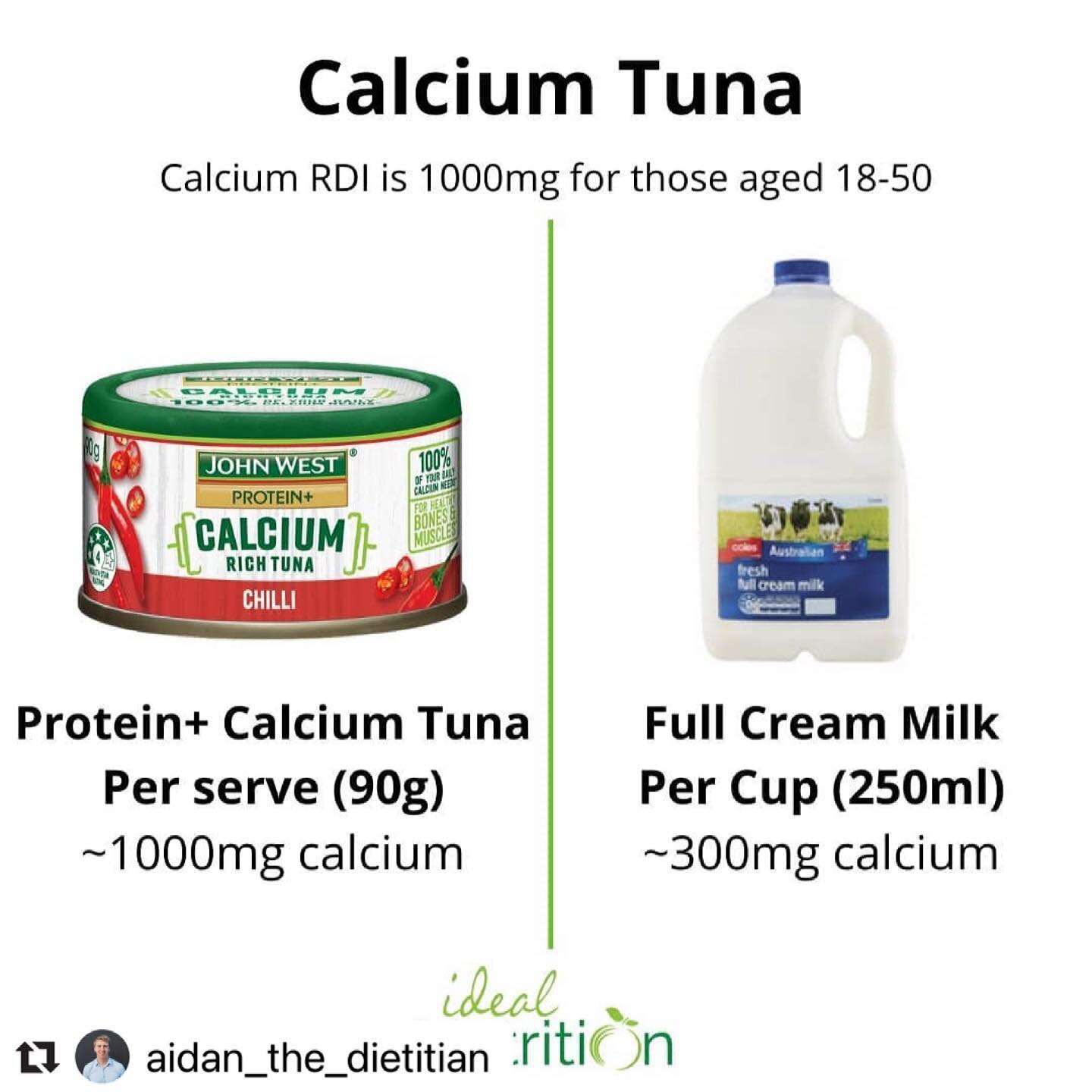
What to avoid - stay away from tuna in spring water.  While it is low in fat you miss out on the essential fatty acids.  Also avoid the flavoured tuna like John West Tuna Tempters which only has 42% fish.

We do need to be mindful of mercury levels when eating fish.  It is generally safe for all population groups, including pregnant women, to consume 2-3 serves of any type of tuna or salmon a week, canned or fresh.  Canned tuna usually has lower mercury levels than other tuna because tuna used for canning are smaller species that are caught when less than one year old.

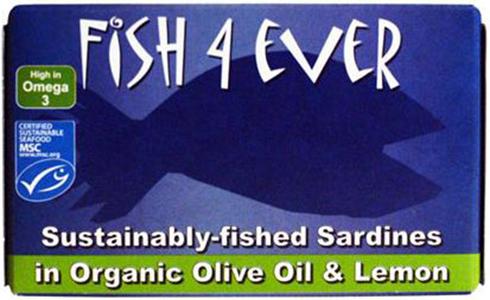
If you like the flavour, tinned sardines trump tinned tuna in terms of nutrition.  The fish bones are a great source of calcium and the essential omega3 fats are about 3 times as high as tinned tuna.  King Oscar, Fish 4 Ever and Brunswick are all good.  Because they are a small fish sardines also have low levels of mercury.


Print Friendly and PDF

Chicken fajitas

chickenfajitas.jpg

The weather is warming up in Sydney so I am making some quick chicken fajitas featuring lime and capsicum (peppers).  This recipe is adapted from Nigella Lawson's "Kitchen".  Capsicums (red peppers) are low in fat, carbs and calories and high in antioxidants such as beta-carotene a precursor to vitamin A, helping to promote vision and support a healthy immune system.  Capsicum is also packed full of vitamin C and their sweet flavour means they are a favourite with kids.


 ingredients

  • 2 skinless chicken breasts, sliced into long strips (or you can use precut stirfry chicken)
  • 1 teaspoon oregano
  • 1 teaspoon ground cumin
  • juice of 1 lime
  • 2 garlic cloves crushed
  • 1 tab extra virgin olive oil
  • 1 onion, halved and thinly sliced
  • 2 capsicums (red, yellow or orange) cored and cut into strips
  • hot chilli sauce, avocado, baby spinach, coriander leaves, 4 soft wholegrain tortillas (to serve)

METHOD

  1. Combine the chicken with the oregano, cumin and lime juice. Leave to marinade while you slice up the onion and capsicum. Pop the tortillas in a low warm oven
  2. In a frying pan, saute the onion over medium heat with a little olive oil and one crushed garlic clove for five minutes.  Add the capsicum to the frypan and continue to cook for 10 minutes. Remove from pan and put in a bowl.
  3. Add the remaining 1/2 tab of olive oil and other crushed garlic clove to the pan over medium heat. Add the chicken and its marinade. Cook, stirring frequently, for 5 minutes. Check that the chicken is piping hot and cooked through, then add the onions and capsicum. Stir together, then transfer them to a serving dish.
  4. Take the warmed tortillas out of the oven and put them on the table alongside the chicken mixture, chilli sauce, avocado, baby spinach leaves and chopped coriander for everyone to assemble.
Print Friendly and PDF

Diwali Masala Ginger Prawn Curry

Diwali Masala Ginger Prawn Curry

Happy Diwali!  Diwali is  the Indian festival of lights - and signifies the victory of light over darkness, good over evil, knowledge over ignorance, and hope over despair.  Let's celebrate by sharing a meal together - here's a beautiful prawn curry that I learnt how to make  when I lived in Singapore. The flavours are very fresh with a beautiful pop of mint.

Read More
Print Friendly and PDF

Quinoa Tabouli

quinoa-tabouli.jpg

Did you know that quinoa is a complete protein which means it contains all the essential amino acids?  It's  also a rich source of B vitamins, a good source of carbohydrates and easy to digest.  For these reasons  it is being considered a possible crop in NASA's Controlled Ecological Life Support System for long-duration human occupied space flights! If you've had a quinoa fail before it might be because you haven't washed off the bitter tasting saponins on the outside of the quinoa.  Lightly rubbing the quinoa under running water gets rid of the saponins and improves the flavour.

With the lovely warm weather we've been enjoying a tabouli salad most nights.  I cook a cup of quinoa and use about 2/3 in the salad and then use the leftover quinoa for quick salads for lunch.

I like to serve the salad for dinner with some seared lamb loin fillets marinated in a little lemon and olive oil, perhaps a touch of sumac or smoked paprika. For a portable lunch the next day the salad is delicious with some feta or almonds.

Ingredients

  • 1 cup of quinoa
  • 1.75 cups of water
  • pinch of salt
  • generous handful of parsley, leaves picked, roughly chopped
  • generous handful of mint, leaves picked, roughly chopped
  • two big handfuls of baby spinach
  • 4 spring onions, white part only, chopped
  • 2 lebanese cucumbers, halved lengthways and chopped
  • 250g cherry tomatoes, cut in half
  • Seeds from half a pomegranate (optional)
  • 1/4 cup (60ml) extra virgin olive oil
  • 2 tablespoons lemon juice
  • 1 tablespoon pomegranate molasses (optional, if you don't have it omit, do not substitute!)

METHOD

  1. Soak the quinoa for 15 minutes in plenty of water. Drain in a fine wire colander and gently rub the seeds to remove any saponins.
  2. Combine the quinoa with 2 cups of water and a pinch of salt.
  3. Bring to the boil and then reduce heat to a simmer for 15 minutes, partly covered. The quinoa is cooked when the grain starts to spiral.
  4. Drain any remaining water.
  5. Leave in the saucepan with a clean tea towel or paper towel between the saucepan and the lid for 5 minutes or so. You'll need about 2/3 of the cooked quinoa for the tabouli, the rest will keep in the fridge for 48 hours.
  6. Whisk together the olive oil, lemon juice and a pinch of black pepper. Add half of the dressing to the quinoa.
  7. Put spinach, herbs, spring onion, tomatoes and cucumber in a salad bowl. Add the quinoa. Toss and add remaining dressing. Sprinkle with pomegranate seeds to serve.

Serves 4

"Mum, I'm hungry!"

teenage_snack.jpg

In my house gone are the days of the picky pre-schooler.  Instead I'm seeing two growing teenagers who seem to be constantly hungry.  In particular the minute they get in from school!  Teenagers have a higher energy requirement to accommodate their growth.  However 41% of today's Australian teenage diet is coming from discretionary food choices that are linked to obesity,  increased risk of diabetes and tooth decay.  Did you know that tooth decay is five times more prevalent than asthma among Australian children?

Key micronutrients at this age are calcium, iron and zinc.  For both boys and girls the growing skeleton requires increased amounts of calcium to help reach peak bone mass in their 30s.  Think dairy - milk, yoghurt and cheese.  As soon as girls start menstruating their iron needs increase, but boys need iron too for growth and energy.   Red meat and fortified breakfast cereals like weetbix are a good source of iron.

So how can you fill up your teenager and steer them away from the packaged stuff?

  1. Make sure their afternoon tea will fill them up for a couple of hours. Those small packages of processed food (even if you get it in the health food aisle) are unlikely to do that. A good snack will combine a serve of protein along with a wholegrain carbohydrate. For example, wholemeal toast with nut butter, or a toasted wholemeal english muffin with cheese, or corncakes with ricotta and tomatoes.

  2. Fill up the fridge with vegies and fruit. Have easy to grab fruit and veg at eye height in the fridge - cherry tomatoes, mini cucumbers and snow peas are a great quick snack with humous or a handful of nuts

  3. The toasted sandwich maker and a blender are the teenager's best friend. Teach them how to make a quick smoothie - my daughter's favourite is milk, yoghurt, oats and frozen raspberries or mango. My son's fave is milk, weetbix, banana and milo. Great before or after sport if they don't want something solid in their stomach.

  4. Again leave left over pasta or stirfry at eye height so they can be reheated quickly

  5. If you don't want your kids to eat it - don't buy it!

Rachel is a university qualified Clinical Nutritionist based in Balmain.  She is also the busy working mum of two teenagers, so is practical and realistic with her advice . Rachel offers private consultations to improve your family's health and well-being. You can find her on Facebook and Instagram for more healthy tips and tricks. 

Print Friendly and PDF

So, if I shouldn't drink soft drinks - are diet soft drinks OK?

429_1_1436879870.jpg

I think by now we've all realised that sugar is a big part of the obesity epidemic and cutting out soft drinks is a great way to improve your weight and with that reduce your risk of obesity, type 2 diabetes, and prevent certain types of cancer.  So are diet soft drinks a better option? Well, no.

Diet soft drink appears to contribute to weight gain also.  A  recent study of 66,000 women over 14 years found an increased risk of type 2 diabetes for consumers of diet drinks.  A study published in Diabetes Carefound daily consumption of diet soft drinks was associated with an increase in metabolic syndrome and type 2 diabetes.

The research into the effects of diet drinks on humans is still in its early days and the reasons for the associated weight gain are still not fully clear however it is thought that because artificial sweeteners are hundreds of times sweeter than sugar our genetically-programmed preference for sweet taste is activated.  The diet drinks make your metabolism think sugar is on its way which causes the production of insulin which causes your body to store fat.

Diet drinks also seem to affect bone strength and risk of fractures. One 2014 study found that each daily soft drink (diet or non diet) increased the chance of hip fracture by 14% for postmenopausal women.

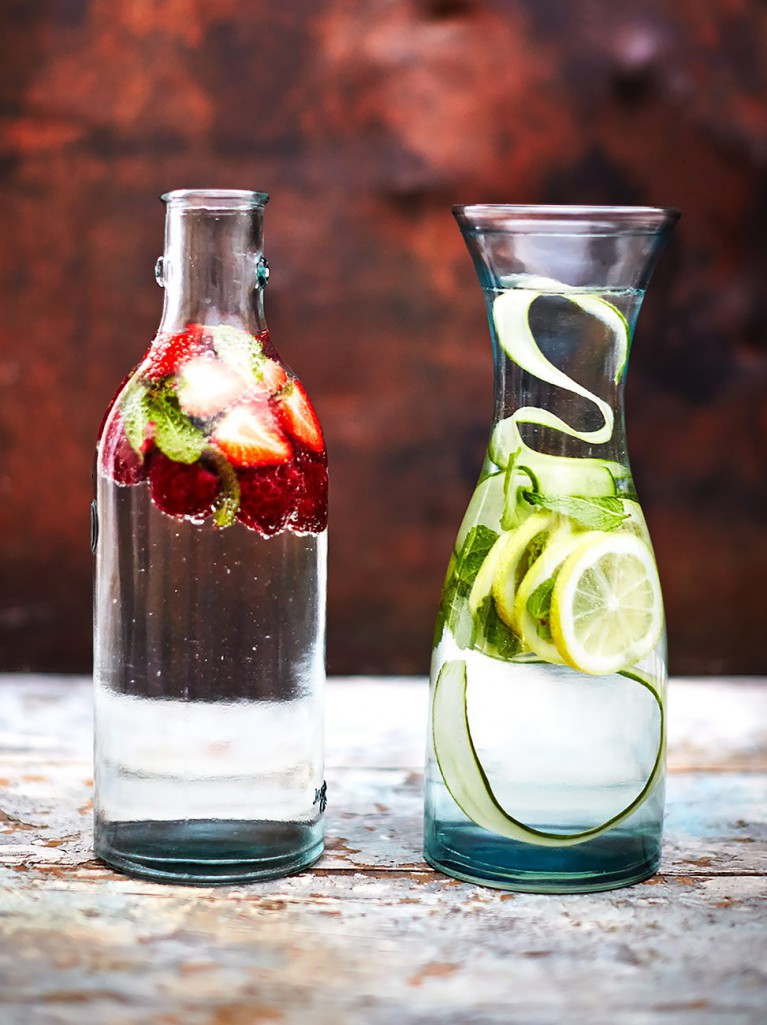
Instead of soft drinks chose water or green tea.   In summer I use our soda stream to carbonate cold water and add a few slices of lime, cucumber or a crushed handful of mint.  Cheers!

429_1_1436879870.jpg

429_1_1436879870

Print Friendly and PDF

Carbohydrate Loading for endurance events

As I enter the taper period for my fourth marathon I thought I would write down how to carb-load successfully.  I remember all too clearly the feeling of hitting the "wall" from my first half marathon where I just wanted to lie down and have a nap at the 17k mark.  Fast forward 12 more half marathons, 3 marathons and  a sports nutrition qualification, it turns out carb loading is much more than a bowl of pasta the night before a race.

For races lasting longer than 1.5 hours such as a marathon or half marathon, it’s beneficial to “carbohydrate load” for the 2-3 days before your race. The carbs are stored as glycogen in your muscles and liver. During the full or half marathon you will burn both fat and glycogen stores for energy, but it is harder for your body to convert fat to fuel. The goal is to arrive at the start line with your body’s glycogen stores full from carbohydrates to delay fatigue and performance decline. A full tank of glycogen and regular carbohydrate and fluid intake during the race will help you avoid hitting “the wall”. For it to work properly the carb load needs to be combined with an exercise taper as well.

Start your carbohydrate load 2-3 days before the race. You can’t fill your muscles with glycogen from just one meal, so a big pre-race pasta is not enough. For a Sunday marathon, I start on Thursday. For a Sunday half marathon I start on Friday. Carbohydrates should become about 70% of your diet. You don’t eat more during the load, you just replace protein, fibre and fat with carbohydrate. Be smart about your choice of carbs - although lasagne is delicious it’s very high in fat and protein so you’d be better off choosing pasta with a tomato based sauce. I prefer to make my dinner smaller and my lunch bigger on the day before the event so I have plenty of time to digest it.

You should be targeting between 8-12 grams of carbohydrate per kilo of body weight over the carb load period. So a 60 kg runner would need to consume between 480 and 720 grams of carbs over the day. As a guide 2 slices of white toast contain about 50 grams of carbs. Personally I can only manage to get in closer to the 8 grams per kilo target, the 12g/kg guide is more for ultra endurance events like ironman. If it’s your first time carb loading I’d suggest sticking to the lower end of the range. I add in some Gatorade and fruit juices to help top up my stores as I struggle to eat enough carbs otherwise.

The carbs you choose should be low in fibre to reduce the chances of getting an upset stomach during the race.   This is the time to choose white bread, rice or pasta over wholemeal. You can go back to your quinoa after the marathon. You can also enjoy some of the foods you might not normally eat such as a crumpet with honey.

chickencacciatore.jpg

You might find you gain some weight, this is because the glycogen stores water with it, which helps ensure you are well hydrated to start the race. You’ll use this water during the race so don’t worry about the water weight - think of yourself as a camel! Your pee before you start the race should be light in colour to show that you are adequately hydrated.

The AIS website is very useful in terms of figuring out how many carbs are in a serve.

The following diet is suitable for a 60kg runner aiming to carbohydrate load:

This sample plan provides approximately 10,153 kJ, 427 g carbohydrate, 74 g protein and 42 g fat. This is not an exact plan, you might need to consume more or less depending on your weight, sex and training volume.

Wishing you all the best on your 42.2 kilometre victory lap - you’ve done the work, now enjoy the run!

Want to know more about how to fuel properly for your next endurance event?  Check out my 8 week endurance nutrition program here.


References

Bourke, L (2010) Clinical Sports Nutrition 4rd edition. Mc Graw HillAustralian Institute of Sport Carbohydrate Loading Factsheet

Meal plan calculated on Foodzone

Print Friendly and PDF

Thai style beef salad

thaibeef.jpg

This is how I like to eat in summer - a big salad topped with delicious steak.  I discovered this salad when I was pregnant as I was trying to increase my iron stores and eat lots of leafy greens.  It's now a firm family favourite and perfect for my teenage children who need zinc and iron for growth, energy and immunity.

GF, LF, FF - see below for notes

ingredients

  • 400 g lean beef (I like sirloin or porterhouse)
  • plenty of black pepper
  • olive oil
  • 2 large handfuls asian salad mix or baby spinach leaves
  • 250g cherry tomatoes, halved
  • 20 green beans, sugar snap peas or snow peas, blanched
  • 2 red capsicums,sliced
  • 2 Lebanese / Japanese cucumbers sliced
  • 1/2 red onion, sliced
  • 1 small bunch coriander picked
  • 1 small bunch mint picked
  • Cashews to sprinkle over

Dressing

  • juice from 2-3 limes
  • 1 sliced red chilli (optional)
  • 2 tablespoons fish sauce
  • 2 teaspoon palm sugar (or castor sugar)

METHOD

  1. Season the steak with the pepper and cook in a hot pan with a little olive oil until medium rare. Remove from the pan, cover loosely and allow to rest for about 5 minutes then slice thinly.
  2. Combine the salad leaves, tomatoes, green beans, capsicum, cucumber, onion and herbs.
  3. Add the sliced beef.
  4. Make the dressing by mixing the lime juice, chilli, fish sauce and sugar.
  5. Pour the dressing over the salad and mix through. Top with a small handful of cashews.
  6. Divide between serving bowls and enjoy. Lean chicken breast, grilled fish or grilled firm tofu can be used in place of the beef.

Serves 4

GF - check fish sauce,

FF (FODMAP friendly) - substitute green tops of spring onion for onion, limit portion of snow peas to five pods, substitute peanuts for cashews


Cold-pressed juices - should you be buying them?

greenjuice.jpg

Every where I look, the supermarket, the deli, the coffee shop  - cold-pressed juices are front and centre of the display, and they are expensive - $8 - $10 a bottle.  Should you be buying them? The marketing spin is that the cold press crushes and squeezes rather than damaging the nutrients through the heat and oxygen used by a standard juicer.  Sounds legit, right?  However the marketing hype has rushed ahead of the science.  Even if there are more nutrients, can our systems absorb them?  The average Australian diet already contains more than enough Vitamin C, and any excess just ends up down the toilet.  The way your gut absorbs nutrients depends on what else you are consuming.  For example, the extra virgin olive oil that you dress your salad with helps your uptake of some of the vitamins in your salad.

Chewing your food, rather than drinking it signals to your brain that you are getting full, it's easy to miss the satiety cues when drinking your calories.

All that said, the typical Australian diet does fall really short on getting in at least 5 serves of veggies every day.  Drink cold-pressed juices if you enjoy them and can afford them, but be sceptical about the claims on the bottle.  So you don't end up with a meal's worth of calories make sure they contain no more than one fruit and the rest is vegetable content.  Some of the juices for sale contain 88% fruit juice which is a significant source of sugar and calories.

I like to make my own green juice if I've not been getting enough veggies.  I use the thermomix so I can retain the fibre - here's my recipe.

greenjuice.jpg

green juice cold-pressed

Green Juice

Author:

rachel

Serves:

3

Ingredients

  • 250ml coconut water, water or chilled green tea
  • 1 apple
  • 2 cucumbers
  • 2 celery stalks
  • thick slice of lemon
  • 2 large handfuls of baby spinach or kale

Instructions

  1. Put all the ingredients in a high speed blender like a thermomix or vitamix. Process for one minute. Enjoy straight away.

3.3.3077

Print Friendly and PDF

Cauliflower and broccolini fried rice served with pickled cucumber

cauliflowerfriedrice.jpg

A vegetable hack I've been using a lot lately is to mix in half cauliflower rice with our brown basmati.  Tonight I'm sharing my cauliflower fried rice which is a huge hit. I serve it with quickly pickled cucumber, a fried egg and some tamari almonds. I did wonder how the "rice" would be received - see picture below, but mixed in with aromatic ginger and coriander plus the colour somewhat disguised by turmeric no-one gave it a second thought!

cauli2

Cauliflower is a fantastic vegetable being a source of cancer-fighting agents (glucosinolates).   I've been using a lot of turmeric in my recipes recently as the active ingredient -curcumin - as it has been linked to warding off dementia and preventing cancer.  The AIS is investigating the anti-inflammatory properties for use as a sports supplement.

(I am listing this a vegetarian, but you'll need to take out the ham)

Cauliflower and broccolini fried rice with ginger and turmeric

Serves:

4

Ingredients

  • 1/2 head of cauliflower

  • 1 bunch broccolini

  • 200g packet of pre-cooked brown basmati rice

  • 2 french shallots

  • 2 cloves garlic

  • 2 cm piece of ginger

  • 1 red chilli (seeds removed)

  • 1 bunch of coriander

  • 100g ham

  • 2-3 tab tamari

  • 2-3 tsp tomato sauce (I use sugar free)

  • 1 tsp turmeric

  • 1 tsp paprika

  • shallots to serve

  • fried egg to serve

  • cucumber pickle to serve

method

  1. In a food processor or by hand pulse together the cauliflower florets and broccolini. Remove and set aside.

  2. In food processor or by hand chop the shallots, garlic, ginger, chilli and coriander.

  3. In a heavy bottom frypan or wok fry the processed shallot mixture in a tsp or so of coconut oil or olive oil. Stir fry for 3 minutes then add ham and fry for another minute or so.

  4. Add pulsed cauliflower, broccolini and rice and fry for another minute.

  5. Add turmeric, paprika, tamari and tomato sauce and fry for a few minutes.

  6. I like to serve with a fried egg, some pickled cucumber, a squeeze of lime and some tamari almonds

  7. Make a quick cucumber pickle by slicing up 2 cucumbers, pour over a little rice wine vinegar, a squeeze of lime juice and a tsp of sugar.

Have you been thinking for a while that you would love to find out more about your gut health or why your weight won’t shift no matter what you do? Or maybe you just want to feel less bloated, have more energy and understand what food you are meant to be eating?

I’m offering a free 15 minute call to work out a nutrition action plan to get you feeling your best. There are no commitments just a friendly chat so we can work out if I’m the right person to help you reach your health goals.

Rachel is a university qualified Clinical Nutritionist based in Balmain.  She is also the busy working mum of two teenagers, so is practical and realistic with her advice . Rachel offers private online or in person consultations to improve your family's health and well-being. You can find her on Facebook and Instagram for more healthy tips and tricks. 

Simon's baked beans

4262891398_027c949e57_z.jpg

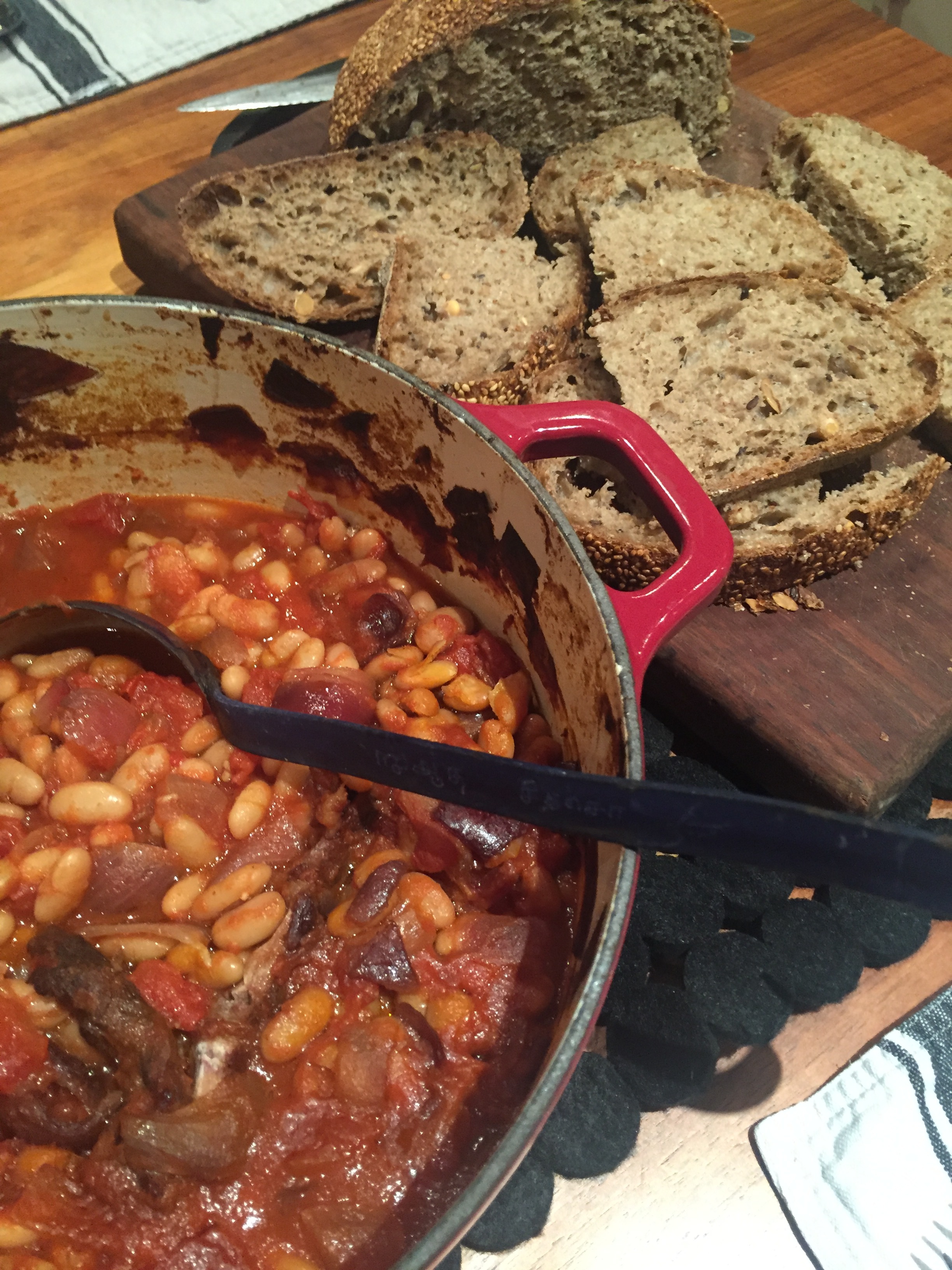
Having a rustle around in the freezer I found the ham bone I had saved from Christmas.  I asked my husband to make his amazing baked beans and he also wrote down the recipe as we can never quite remember how he makes them.  These make a delicious breakfast, lunch or easy dinner.  You can cook an egg in the bean mixture as well.  If you don't have a frozen ham bone left over from Christmas then you can get a ham hock from the butcher or make a vegetarian version. A diet rich in legumes such as cannellini beans  is associated with lowered blood sugar and reduced harmful LDL cholesterol.   They’ve been linked to reduced risk for heart disease, type 2 diabetes, and colon and other cancers, as well as improved weight control.  Plus my kids love eating them!

Ingredients

  • 6 garlic cloves, crushed
  • 2 red onions roughly chopped.
  • Splash of olive oil
  • Ham bone (frozen from after Christmas) or ham hock.
  • 2 bay leaves
  • 2 x 400gm tin of crushed tomatoes
  • 3 tbsp of maple syrup
  • 2 tbsp of Worcestershire Sauce
  • 1 tsp of smokey paprika
  • 1 tsp of dried chilli flakes (this gives it just a hint of heat but up to you)
  • 1 tsp of dry mustard powder
  • 4 x 400gm tins of Cannellini Beans (drained and rinse beans from 3 of the tins, but use liquid and beans from 4th)

METHOD

  1. Preheat oven to 160 deg C.
  2. Fry up garlic, onions and oil over a medium to high heat (choose a big pot that is also able to go in oven). Whack in the ham bone. Pour in 2 tins of tomatoes and the bay leaves. Then add the maple syrup, Worcestershire sauce, and spices.
  3. Drain the beans in a sieve and rinse off the briney liquid from 3 of the tins, but chuck liquid and beans from the 4th. Give it all a stir.
  4. Check seasoning but probably could do with a good pinch of salt and pepper.
  5. Cover and put the pot in the oven for a 1 1/2 hrs.
  6. I like to cook it the beans long enough so that the meat has fallen off the ham bone but not so long the dish becomes too dry. I switch off oven and just leave the pot in until I'm ready to serve.
  7. Dish it up with crusty bread and green salad

You can also cook this in the slow cooker on low for 4 hours.  

Serves 8

Salmon, mussel and fennel stew

fishstew.jpg

I love a fish stew and this is my simple one.  After watching a documentary last year about the fish farms in Vietnam I only buy Australian fish that has been sustainably farmed.  You can buy cleaned bearded mussels in the supermarket.  Mussels are a good source of omega -3 fatty acids.  These fats have many beneficial effects, including improving brain function and reducing inflammatory conditions, such as arthritis. Mussels are also a great source of vitamins such as zinc which helps build immunity.  Plus they are fun to eat, the kids love them! http://gty.im/175816512

Salmon, mussel and fennel stew

Author: rachel

Prep time: 10 mins

Cook time: 10 mins

Total time: 20 mins

Serves: 4

Ingredients

  • 1 bulb of fennel

  • 1 red onion

  • ½– fresh red chilli

  • 2 cloves of garlic

  • olive oil

  • 125 ml white wine

  • 700 g passata

  • 1 small bunch of fresh basil

  • 400 g mixture of fish fillets, scaled and pin-boned. I used salmon but snapper or whiting would be good. Cut into large chunks

  • 1kg mussels scrubbed, clean and debearded

Instructions

  1. In a large, deep frypan (with lid) heat a splash of olive oil. Finely slice the fennel, onion, chill and garlic and add to the pan. Saute for 5 to 10 minutes until the vegetables have softened.

  2. Add the white wine and let it simmer for a couple of minutes then add the passata and most of the basil (chopped). Simmer for a few minutes.

  3. Add the fish and simmer for a couple of minutes

  4. Add the mussels. Put the lid on the frypan and allow the mussels to open. When the mussels have opened (throw away any that remain closed), the fish will be cooked through (roughly four minutes).

  5. Serve with crusty bread and a big green salad.

3.3.3077


Print Friendly and PDF

My muesli with a 5 star health rating

muesli.jpg

For Australian supermarket shoppers you might have noticed the new "health star rating" system being slapped onto cereals, dips and other packaged food.  The health star rating system is voluntary  and it takes into account four aspects associated with increasing the risk factors of chronic diseases - energy, saturated fat, sodium and total sugars content. Fruit, vegetable, nut and legume content, and in some instances, dietary fibre and protein content are also considered.

If you've discovered that your favourite cereal has less stars than you'd like, how about a new 5 star health rated muesli?

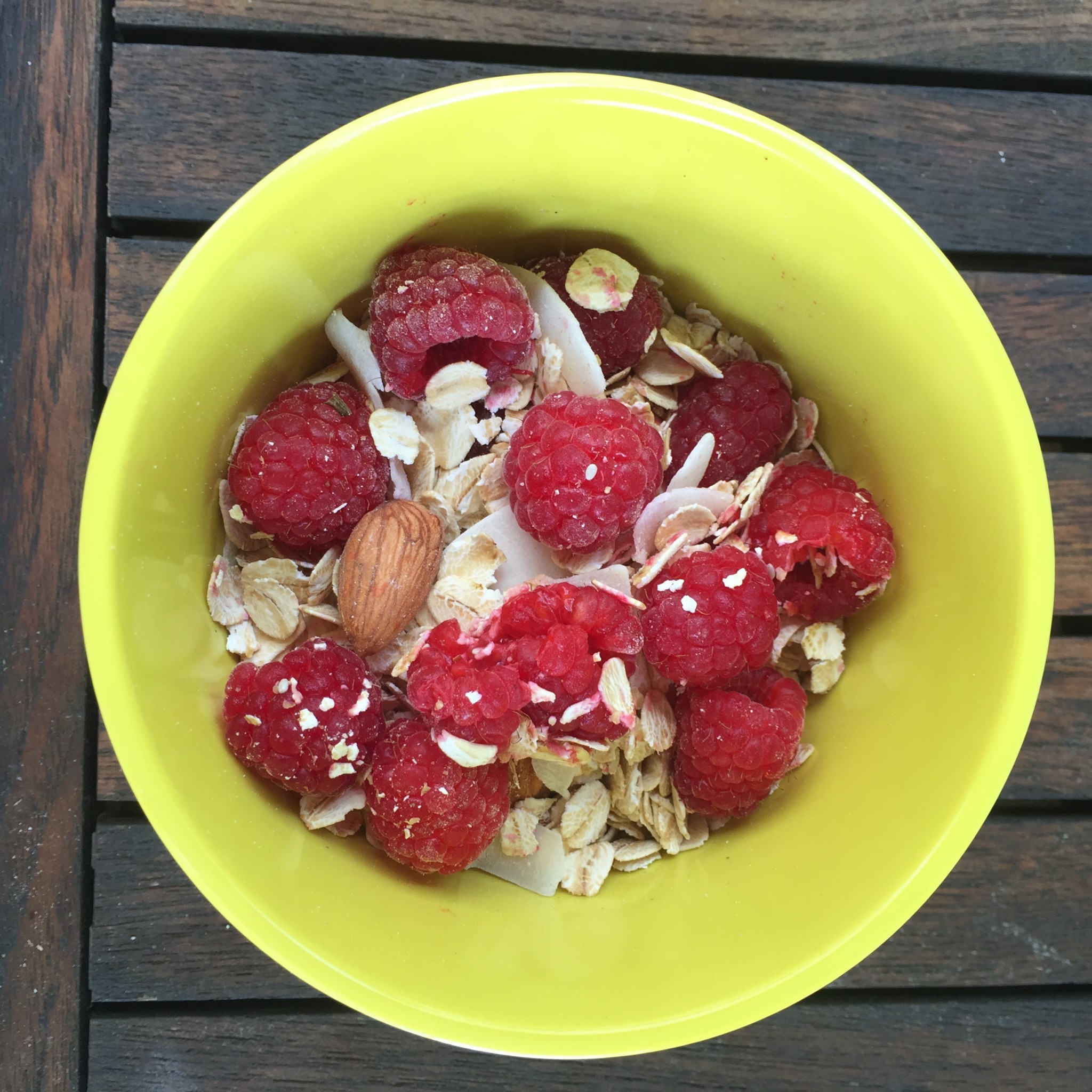
I've been making my own muesli for a few years now, this recipe gets changed around depending on what I feel like, for example sometimes macadamia nuts instead of almonds.  I keep a 1/2 cup scoop in my cereal container and measure it out each day and top with a generous handful of berries and a big scoop of greek yoghurt.  Serve with your favourite milk.

Because I am a huge data nerd, I put my recipe through the health star rating calculator and it receives 5 stars, plus it tastes great, is full of fibre and protein and will keep you full until lunchtime!


INGREDIENTS

  • 500 g (17oz) rolled oats
  • 30 g (1oz) flaked Coconut
  • 100 g (3.5 oz) raw almonds
  • 100 g (3.5oz) sunflower seeds
  • 100 g (3.5oz) pepitas
  • 60 g (2oz) dried blueberries or cherries (unsweetened)
  • 50g (2oz) LSA mix (linseed/flaxseed, sunflower, almond) or flaxseed meal
  • sprinkle of cinnamon

METHOD

  1. Mix all the ingredients together and serve 1/2 cup with greek yogurt, your choice of milk and berries

14 serves

285 cals 15g fat, 31g carbs, 10g protein, 7g fibre

If you need help sticking to your healthy eating goals I can help you. I'm a university qualified nutritionist based in Balmain, Sydney and the busy working mum of two teenagers, so I'm practical and realistic with my advice.  Find out more about me here.
Print Friendly and PDF

Oven baked sausages with ratatouille

AS-Aagoodfood-an-20140328151724945289-300x0

This is a fabulous recipe for a night where you are tired - the oven can do all the work.  Our oven has a reliable oven timer so I often pop this on to cook while I am driving around to pick the kids up from rugby practice etc.  It won't spoil if you leave it in the oven for 10 more minutes.  You can vary the veggies depending on what the team will eat and also add a tin of cannellini beans to make a cheats' cassoulet.

This is lactose-free and gluten-free, but I also have a low FODMAP ratatouille recipe.

Ingredients

  • 1 red onion

  • 1 whole head garlic

  • 1 medium eggplant

  • 2 zucchinis

  • 2 red capsicums

  • 1 tbsp olive oil

  • 2 x 400g tins canned tomatoes

  • 1 tbsp fresh thyme and rosemary leaves

  • sea salt

  • black pepper

  • 6 good quality pork sausages

  • 1 x 400g tin cannellini beans (optional)

  • 12 kalamata olives, unpitted

  • fresh rosemary and thyme for serving

Instructions

  1. Preheat oven to 200C

  2. Cut the onion into quarters, and the head of garlic in half crosswise.

  3. Cut the eggplant into half and then rounds, the zucchinis into diagonal slices and the capsicums into thick slices, discarding core and seeds.

  4. Arrange all the veggies except the zucchinis in a large oiled baking tray, burying the garlic halves cut-side down. Add the canned tomatoes and their juices, and a dash of water.

  5. Tuck in the pricked sausages, drizzle with olive oil and scatter with thyme and rosemary, sea salt and pepper.

  6. Bake for 30 minutes, then add the zucchini and cannellini beans (if using) and turn the sausages. Cook for another 15 minutes, until the veggies are cooked and sausages are browned.

  7. To serve, scatter with olives, rosemary and thyme. Squeeze the roasted garlic on top, and drizzle with the pan juices.

Serves 4

Calories: 290 Fat:16g Saturated fat:4 Carbohydrates:28g Fiber:9g Protein:12g


Roasted tomato and white bean soup

IMG_4864.jpg

Today I've got two sick children so I'm making soup for dinner.  Soup, particularly vegetable based soups are a great option nutritionally as they combine lots of key nutrients including vitamins and minerals for relatively few calories.  Tonight's soup is full of tomatoes, my son is happy to eat this although he will "never, ever eat a tomato". Tomatoes are a wonderful source of vitamin B6, C, K, beta-carotene, potassium and manganese. The lycopene in tomatoes has been linked to lower rates of heart disease and cancer.

Ingredients

  • 1kg tomatoes, quartered or halved depending on size. I like a mixture of truss and romas.

  • 1 red onion, peeled and quartered

  • 6 cloves garlic, unpeeled

  • 1/4 cup olive oil

  • 1 tab maple syrup

  • 400g tin cannelini beans, drained and rinsed

  • 250 - 500 ml water to taste

  • Pesto to serve

Method

  1. Preheat oven to 200degrees.

  2. Put tomatoes, garlic and onion in a roasting pan and drizzle with olive oil and maple syrup. Season to taste.

  3. Roast for 45 minutes or until vegetables are soft

  4. Squish garlic out of skin, and discard skin. Add all vegetables and juice to saucepan.

  5. Add the canellini beans and process the mixture with a stick blender.

  6. Add water (I tend to use closer to 250 ml as I like a thick soup) and heat through gently.

  7. Serve with a dollop of pesto

Click here for more simple, healthy and family friendly recipes