Low FODMAP sports supplements

Low FODMAP sports supplements

Are you following a low FODMAP diet to manage your IBS symptoms?  FODMAPs are a large group of dietary sugars.  These sugars can be poorly absorbed in the small intestine and fermented by bacteria to produce gas. Following a low FODMAP diet can help manage IBS symptoms. 

Endurance runners often suffer from stomach problems.  If you also suffer from a FODMAP intolerance, fueling for your long run can be quite tricky.    Here’s some tips to help you focus on your running, rather than your stomach, or wondering where the closest toilet is. 

Read More

Banana, date and almond protein porridge

Banana, date and almond protein porridge

It's sooooo cold in the morning in Sydney at the moment and I love a warm bowl of porridge, but I'm often hungry a couple of hours after I've eaten it.  I've come up with a fabulous trick to increase the protein of your porridge to keep you full all morning.

Read More

nuun electrolyte tablets

nuun electrolyte tablets

A long overdue post about my most used sports nutrition product - nuun electrolyte tablets.   Nuun tablets are added to water and replenish the electrolytes that are lost in sweat during exercise with only 1g of sugar (dextrose) per serve (compared to 36g of sugar in a sports drink).  Nuun contains the four main electrolytes that are vital in hydration and exercise performance and this year they will be the official hydration partner of the City2Surf

Read More

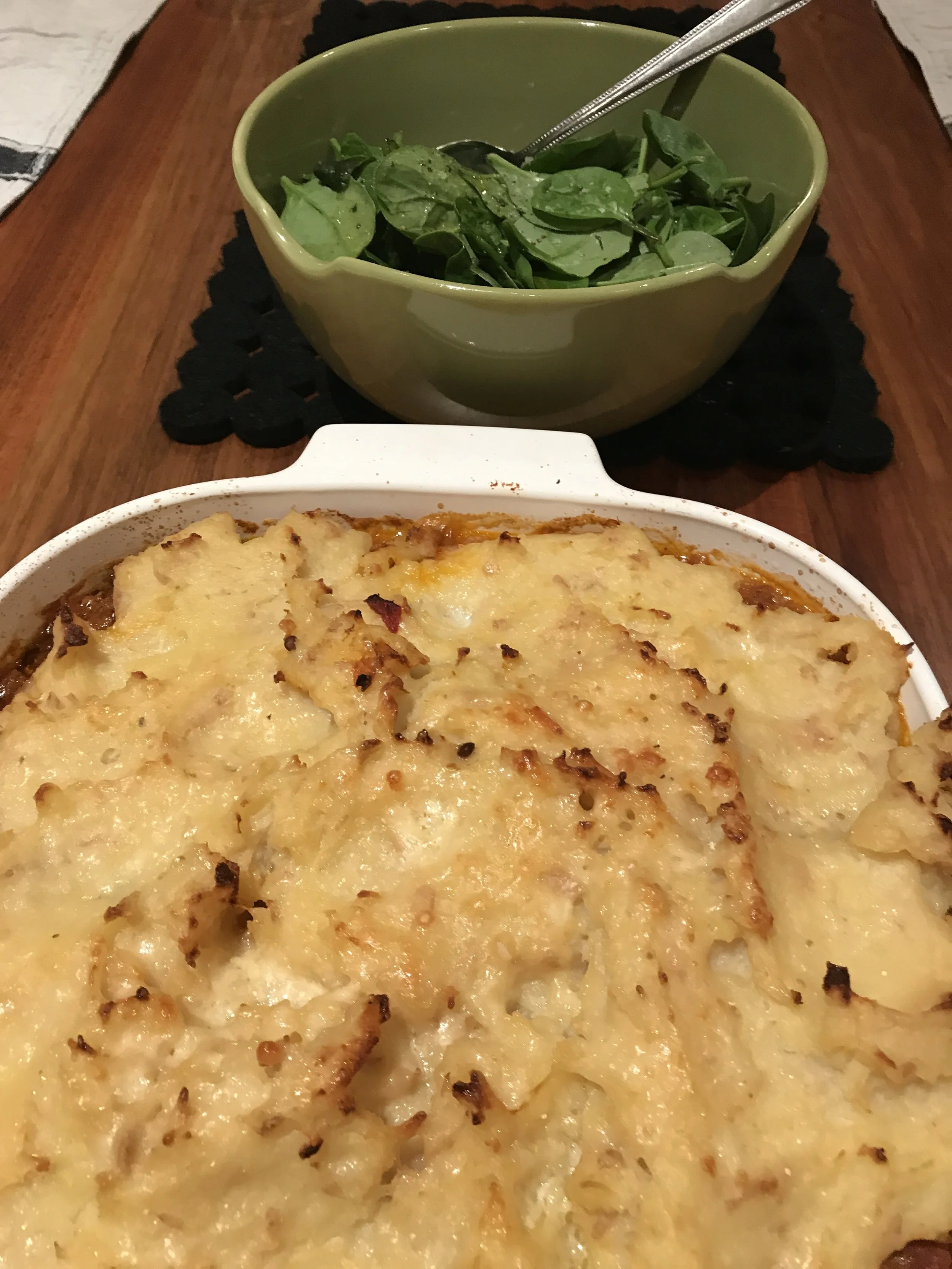
Supercharged Shepherd's Pie

Supercharged Shepherd's Pie

I love taking classic comfort foods and making them a whole lot more nutritious.  I've added lentils and plenty of veggies to my shepherds pie base and my mash is half cauliflower and half potato.  With the veggies, lean lamb and lentils this is a immune boosting recipe for winter that my kids love!

Read More

Toasted maple, nut and seed granola

Toasted maple, nut and seed granola

I developed this delicious granola recipe for my son and he loves it.  He mixes it with yoghurt as a great second breakfast after early morning rugby training or after a game.  The combination of protein and carbs makes it ideal for refuelling my hungry boy! 

Read More

Nicoise salad

Nicoise salad

Create this delicious classic french salad with loads of veggies and heart healthy tuna and eggs for a hot summer night to transport you to the south of France.

Read More

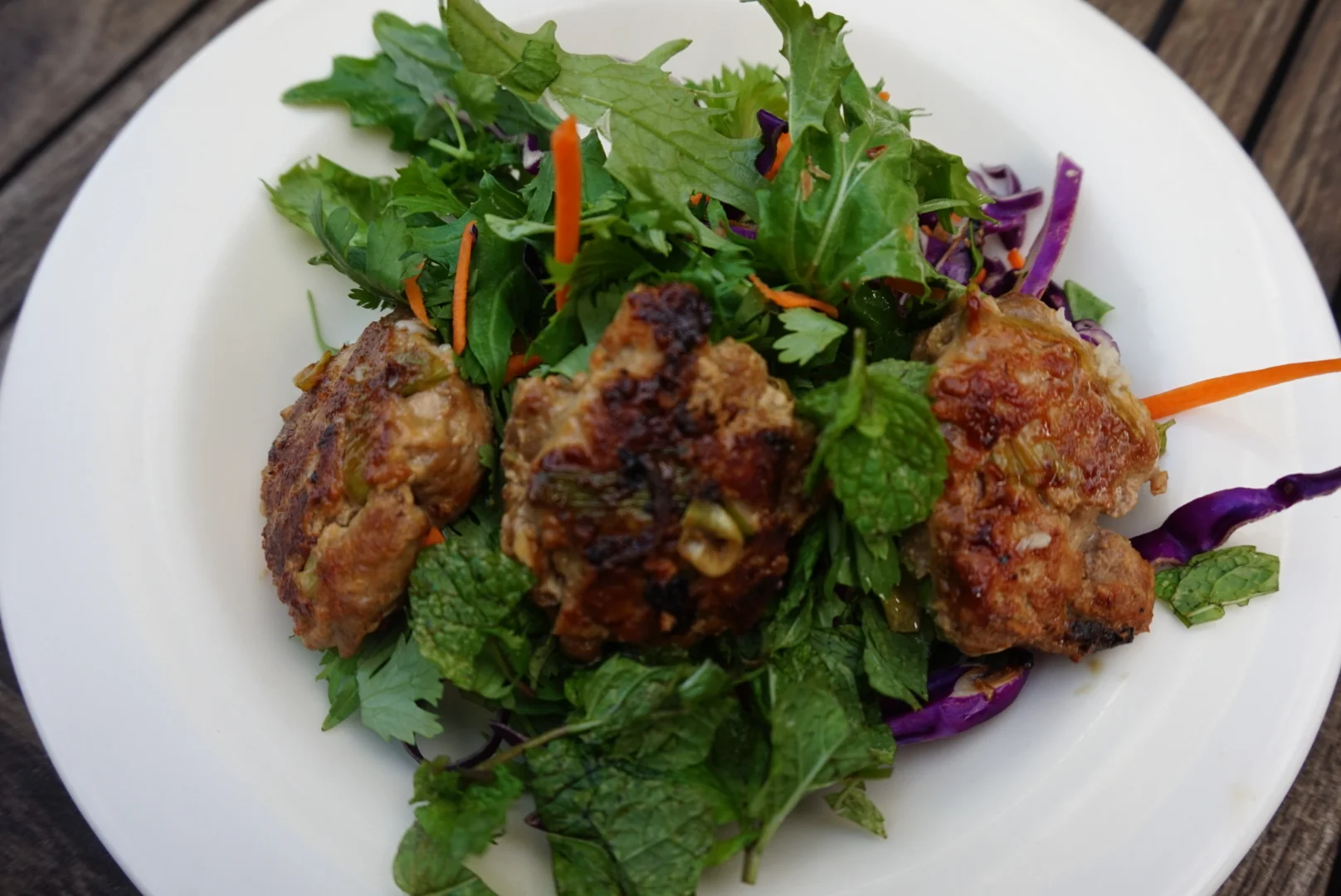
Bun Cha Bowls

Bun Cha Bowls

Hot summer evenings are calling for this divine BUN CHA bowl with a warm dipping sauce.  

Healthy, low carb, high protein, with heaps of veggies, Gluten Free and FODMAP friendly!

Read More

Beetroot Smoothie

Beetroot Smoothie

If you hang around the sports nutrition world you'll see there's a lot of fuss about beetroot juice, which has recently been promoted to a Grade A supplement by the Australian Institute of Sport.  Whether you are trying to improve your exercise endurance, improve your blood pressure or just add more veggies to your diet - check out my beetroot smoothie.

Read More

Mid-week Mojito

Presenting my mid week mojito...


INGREDIENTS

  • 4 peppermint tea bags
  • 1 cup mint leaves
  • 2 limes, juiced
  • plenty of ice
  • maple syrup (optional)

METHOD

  1. Add the teabags to 1 litre of boiling water and leave to steep in the fridge for 2 hours 
  2. Half fill a jug with ice, mint leaves and the lime juice.  Add the cooled tea.
  3. Stir through 1 tab table syrup if you like it sweet
  4. Enjoy in the sun!

Should you be drinking A2 milk?

Over the last few years A2 milk has become a significant player in Australia and New Zealand.  It has recently expanded into the UK and US markets too.  If you suffer from bloating or an upset stomach after drinking milk, it might be worth giving A2 milk a go.

WHAT IS A2 MILK?

All regular cows’ milk brands today contain a combination of two main types of beta-casein protein, namely A1 and A2. The A2 milk company has developed a genetic test to choose cows which don’t produce the A1 protein.  The farms that produce the A2 milk use only cows which produce the A2 protein.   The rest of the A2 milk process is no different to the production of any other milk - it doesn't use genetic engineering or a special technological process.  

IMPROVED DIGESTION IN SMALL STUDIES

There have been 2 small human studies looking at the effect of A2 milk.  The first study was conducted on a small group of 41 people, of which 10 reported an intolerance to dairy milk.  In this trial after drinking A1 protein only the study participants reported softer stools than after drinking A2 milk.  It is thought this was due to an increase in gut inflammation caused by consumption of the A1 protein. 

This second study  on 45 people compared common commercial milk that contained both A1 and A2 milk proteins and to milk containing only A2 protein. This study found that consuming A2 milk did not cause an increase in unpleasant digestive symptoms (for example, bloating and flatulence) usually associated with milk consumption in those who were lactose-intolerant. 

These studies were both very small.  Currently Monash University is conducting a larger trial which will have results published in December.

SO SHOULD I TRY IT?

With only 10% of Australians consuming their recommended 3-4 serves of dairy each day I am a big fan of any product that helps people drink more milk.   Dairy products are a rich source of a wide range of nutrients including calcium, protein, iodine, vitamins A, B2, B12 and D, and zinc.   Improved dairy intake has been linked to weight management, reduced risk of heart disease, stroke and type 2 diabetes, and provides one of the best dietary sources of calcium for bone health.   

If you already drink milk with no tummy upsets, there is no advantage in switching to A2 milk, and it does cost nearly twice the price of regular milk.  However if you do suffer from digestion issues after drinking milk then it's certainly worth giving A2 milk a go.  

Note that A2 milk is not lactose free, so will not solve medically diagnosed lactose intolerance.  However, if you have diagnosed lactose intolerance but would still like to try a2 Milkβ„’,  you can add a lactase enzyme supplement (such as Lacto-Free) to break down the lactose milk sugar making it possible for you to enjoy dairy.

if you do want to try A2 milk, make sure you buy the labelled A2 milk and don't be tricked by other milk that "contain A2 protein" as it's the A1 protein you want to avoid.

RELATED PRODUCTS

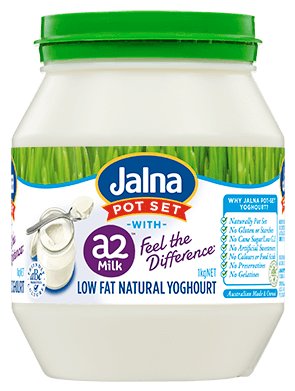
I am a big fan of Jalna A2 yoghurt which is a reduced fat yoghurt made from A2 milk.  While all yoghurts contain starter cultures, not all have probiotics (live bacteria that survive digestion and colonise in the gut).  The strains in all Jalna Yoghurt are: Lactobacillus acidophilusBifidobacterium and Lactobacillus Casei. These cultures have been shown to survive in sufficient numbers to reach the large intestine, where they multiply and colonise.  These cultures have been  demonstrated  to provide gastrointestinal and immune health benefits.

Β 

Β 

Β 

Β 

Print Friendly and PDF

INTERMITTENT FASTING - WILL IT WORK FOR YOU?

Intermittent Fasting diets have been popular for a few years.  Recently researchers from Austin Health and the University of Melbourne compared the results of the popular 5:2 intermittent fasting diet with a standard kilojoule reduced diet.  The 5:2 diet involves eating only 2,500 kilojoules (or 600 calories) on two non-consecutive days a week and then eating normally on the other five days.  Both diets demonstrated similar weight loss and reduction in body  fat and girth over a 6 month period.  

Often clients ask me whether an Intermittent fasting approach would work for them.  My answer is - it depends.  It works well for some people. If you are like Client A  who has a busy job, not really into food, happy to fast for 2 days because they forget to eat much at work anyway and don't feel the need to "feast" on the non fasting days an intermittent fasting approach might work.  

However for client B who works from home, prepares the family meals, who gets a lot of hedonistic pleasure from planning and enjoying meals (this is me by the way) - going 2 days with only 500 calories ("what does that equate to anyway?!") would find intermittent fasting a challenge.  

Client C might be a  strict "If it fits your macros"  gym-bro who isn't afraid to sacrifice meals, avoids "cheating" when a goal is near, and is used to restrictive eating might be able to persevere with intermittent fasting while they get results and then might move on to the next thing if intermittent fasting non longer works for them.  

Really, any approach that involves eating less and moving more is likely to get results. However with any way of eating before you commence it you need to think about whether you can imagine doing it for the rest of your life because that's ultimately the plan that will work for you.  

I'd prefer people to tune in to mindful eating, where they notice and enjoy food and recognise hunger and fullness cues.  I'd love to see more families cooking at home and eating together  with parents modelling a balanced, healthy approach to food.  You can find out more about mindful eating here and my coaching approach here.  

If you do decide to try intermittent fasting make sure you talk to your GP first. There have been concerns around risks for some people on certain medications or with particular medical conditions – fasting might make some conditions worse. If you're on medication for high blood pressure or type II diabetes, you may need a different medication regime on that day or a whole change of medication. Also in some susceptible people, it can stir up their liver as the fat starts emptying out of it. This can actually make the liver more inflamed and trigger liver disease. A similar thing can happen in the gallbladder, too.

My 3 top tips for eating mindfully

Mindful eating is all about focusing our attention on the act of eating.  It means eating with awareness and using all the senses - sight, sound, touch, taste and smell.  

image source: eatingmindfully.com 

I love this image from the guru of mindful eating - Susan Albers.    Before you start eating take a few deep breathes and truly concentrate on the taste of food.  Savour the flavours.  As you progress in your meal you might notice that the pleasure in eating decreases and the speed at which you are eating increases.  When the food is not giving you pleasure it might be time to put down your knife and fork.  

Here are some of my favorite ways of bringing mindfulness to mealtimes: 

Eat slower

It’s a good idea to remind yourself (and your family) that mealtime isn’t a race.  By eating slower you are more likely to notice when you are full.  S lowing down and chewing food properly helps you digest your food and helps prevent food-baby tummy aches we get from eating too quickly.  

REMOVE the phone.  TURN off the Telly. 

 do you see a spot for your mobile?  I don’t either

Our lives are full of distractions, and often families eat with the TV on or with someone playing with their iPhone. Try making family mealtime an electronics-free zone. I’m not saying you can’t ever eat pizza in front of the TV, but if you do want to do that - make it a deliberate choice. 

Pay attention to flavor

The tartness of lime, the spiciness of chilli flakes, the crunch of a pizza crust β€” paying attention to your food can be a great way to eat mindfully. When you eat on the go or get through your meal in five minutes, it can be hard to notice what you are actually eating, let alone truly savour all the different sensations of eating. 

Β 

Mindful eating can be a simple commitment to appreciating and enjoying the food you eat every day. It can be practiced with salad or ice cream, an apple or a piece of chocolate, and you can practice it at home, at work, or even as you snack on the go -though you may find yourself doing this less often.

Β 

When the focus becomes how you eat, rather than what you eat, you might find what you want to eat changes too.

If you'd like to learn more about MINDFUL EATING and be supported along the way with lessons and recipes click here

Print Friendly and PDF

Salmon Burgers

With the arrival of spring in Sydney I've been looking for a new way of including fish in our meals. Salmon is a fantastic source of omega-3 fatty acids which are inti-inflammatory and extremely beneficial to your health - they can help lower cholesterol, reduce high blood pressure,  and may reduce symptoms of arthritis and depression.  Omega-3s are essential fats that must be obtained from our diet. These burgers are an excellent source of quality protein that can help build and repair lean muscle.

I modified a Teresa Cutter recipe here and it was a huge hit with the family.

salmon burgers

INGREDIENTS
  • 2 slices stale bread (preferably wholegrain)(gluten free if needed)
  • zest of 2 lemons and juice of 1/2 lemon
  • small bunch parsley
  • 2-4 spring onions
  • 600g salmon fillets, bones and skin removed
  • 1 egg
  • olive oil for shallow frying

METHOD

  1. In a food processor pulse bread, zest of one lemon, 1/3 bunch parsley.  Tip into wide, shallow bowl
  2. Add remaining lemon zest and parsley and spring onions to food processor, pulse.  Add salmon fillets and pulse again (so you have a chopped texture not a paste).  Add egg and lemon juice and briefly pulse again until just combined.  Season with salt and pepper
  3. Divide into 8 portions and form into burgers
  4. Roll burgers in herbed breadcrumbs and place in fridge for 20 minutes to firm up
  5. Heat fry pan to a low - medium heat and cook in a little olive oil for  4-5 minutes on each side until golden outside and just a little pink in the middle

I serve the burgers on a bun for the kids and "naked" for me.  I like to serve along roast sweet potato and carrot wedges (cook at 200 C for 40 minutes, drizzled with evoo) and a big green salad.

Product review - HIT 100

As a nutritionist people often come to see me for weight loss, glowing skin or extra energy.  These might be a measure we can see on the outside but  I believe it is far more important to invest in your internal health and do everything you can to reduce the risk of lifestyle diseases like type 2 diabetes, heart disease and stroke.  Around 1.7 million Australians have diabetes, including silent, undiagnosed type 2 diabetes.  I wrote about pre-diabetes and insulin resistance here.  With more than 100,000 Australians having developed diabetes in the past year it is likely that you know someone living with diabetes.   

I first came across Hit100 when researching a university assignment looking at strategies for managing diabetes and insulin resistance.  Hit 100 is a meal delivery service catering specifically for people living with diabetes.  The meals have been developed by dietitians and prepared by chefs and are aimed at improving blood sugar levels. Hit100 were kind enough to offer me a few frozen meals to try.

We tried:

  • chicken tikka marsala

  • hearty beef stew

  • pumpkin and ricotta lasagna

There are plenty of other choices on the hit100 website including some great looking breakfast and lunch options like corn fritters and oat and berry pikelets.

What are they?

The Hit100 meals are based on the latest healthy eating guidelines containing non-starchy vegetables, good quality carbohydrates, healthy fats and lean proteins.  These are the guidelines we all should be following - whether or not we have insulin resistance, diabetes or not.

If you have diabetes you don't need to avoid carbohydrates - carbohydrates play an essential role in your diet as they are the main source of energy your bodies rely on to function optimally. Many carbohydrate based foods are also a good source of fibre, vitamins and minerals, which all act together to keep us healthy. 

How did they taste?

I heated the dishes in our oven (microwave for 5 mins is also an option) for 35 minutes and tried the meals with my two teenage kids.  We enjoyed all the meals with the favourite being the hearty beef stew closely followed by the chicken tikka marsala.  What I loved was the generous serve of veggies on the side.  I was concerned that the veggies would not heat up well in the oven but they had a delicious lemon salsa on them and were all eaten up.  

I liked that the meals had a decent amount of protein (17 for the lasagne to 29 for the beef stew) and you could see real pieces of chicken and beef.  The sodium levels are less than 120mg/100g which means they are considered as low in salt.  The portion size was ideal for a woman, an active teenager or man might like these for lunch or need some extra veggies at dinner.

When would I use these?

While I am a big fan of cooking and believe you can put together a quick healthy dinner in less than 20 minutes, I realise not everyone likes cooking and also sometimes even 20 minutes is too much to ask.  These are a great option to have in the the freezer and much much healthier than takeaway pad-thai.  I also think they would be a great option to get for an older parent or friend who might not enjoy cooking for themselves.  

Want to know more?

You can head over to the Hit100 website and try an introbox.  

Want to know more?

You can head over to Hit100's website and try an introbox - which is a great taste tester of what they're all about.  For $69.95 you’ll get:
+ 5 main meals
+ 2 mini meals
+ 2 breakfasts
+ 2 yoghurts

Enter coupon: β€˜racheleagleton10’ at checkout to receive this exclusive $10.00 discount (valued at $79.95)!

* As mentioned Hit100 provided these meals free to me for my review.  I only post reviews of products that I like and am happy to use. The views and opinions expressed on this blog are purely mine. Any product claim, statistic, quote or other representation about a product or service should be verified with the manufacturer or provider.

Β 

Print Friendly and PDF

Insulin Resistance and Pre-Diabetes

Photo by udra/iStock / Getty Images

Could you have insulin resistance or pre-diabetes? Insulin Resistance is a silent condition which occurs when cells in your body stop responding to insulin. Insulin is produced in response to blood sugar sugar - it tells the cells to metabolise the sugar by burning out for energy or storing.  Insulin helps keep your blood sugar levels stable so that sugar can be used as a fuel source in your muscles and liver. 

People with insulin resistance have normal blood glucose levels, which is why it is hard to diagnose.  However although the blood sugar levels are being controlled, more and more insulin is required.  The presence of all this excess insulin in the body is thought to be linked to heart disease, high blood pressure, fatty liver and even some cancers as well as type 2 diabetes.   

Pre-diabetes is a condition in which blood glucose are higher than normal but not high enough for a diagnosis of diabetes. People with prediabetes are at increased risk of developing type 2 diabetes and CVD, which can lead to heart attack or stroke.

A new client of mine came to see as she had a health scare.  Her blood sugars were on the high side.  She was sent for a fasting glucose test which found Impaired Glucose Intolerance with a  level of 8.3 (normal range is 3.6-7.7).  My client saw a diabetic consultant who was helpful but was still confused about an eating plan that would suit her and her lifestyle.  Here's what my client said:

"What I love most about Rachel is she is very positive and encouraging. She kept telling me that there is nothing I cannot eat, but just to watch the amounts. Rachel had me keep a diary of the meals I had everyday for a few weeks.  InitiallyI did have my doubts and worried about keeping to a diary. But it is not difficult.  My family and I even took a holiday to Spain and Singapore in June and I was worried about the foods but it was no problem.
2 weeks ago, I had another blood test for the sugar level and it is now only 4.9, with fasting. Am overjoyed and knew that the plan on the right foods worked. My specialist told me if I stick to this, I will never be diabetic.  Anyone can do this.
 I highly recommend Rachel Eagleton."

I was overjoyed with my client's results.  While weight loss, glowing skin or extra energy might be a measure we can see on the outside I believe it is far more important to invest in your internal health and do everything you can to reduce the risk lifestyle diseases like type 2 diabetes, heart disease and stroke.  

Want to know more about designing a way of eating that works for you to manage your goals?  Read more here

Are you at risk of developing type 2 diabetes?  Take this test and talk to your GP

Read more about insulin resistance and pre-diabetes here

Β 

Β 

Β 

Moussaka with Cauliflower BΓ©chamel

A few years ago we had an amazing holiday in Greece and although it was the height of summer I still enjoyed ordering moussaka.  It was absolutely delicious but also very rich and filling.  The other day across my Facebook feed came a "paleo moussaka" from Australia'a favourite Paleo Chef Pete Evans.  As a Nutritionist there are a few things I don't agree with about paleo eating (the exclusion of wholegrains and dairy) but there are a few things I love (plenty of veggies and lean protein).  I loved how the paleo recipe included cauliflower in the bΓ©chamel sauce and the layer of silver beet (swiss chard).   Cauliflower and silver beet are both a great source of Vitamin C.  Combining this with zinc from the lamb makes this a great immune boosting recipe for winter. I decided to combine the paleo recipe with a more traditional Greek recipe from George Colombaris to create a beautiful healthy moussaka.  


MOUSSAKA WITH CAULIFLOWER BÉCHAMEL

Ingredients

  • 2 large eggplant (about 450 g), sliced 1-cm thick
  • sea salt
  • 2 tablespoons extra virgin olive oil
  • Β½ bunch of silverbeet or kale (about 200 g), central stalks removed and leaves chopped
  • 2 onions, chopped
  • 4 garlic cloves, crushed
  • 600 g lamb or beef mince
  • 1 red capsicum/red pepper, diced
  • 1 teaspoon ground cinnamon
  • 1 teaspoon cumin
  • 1 teaspoon dried organo
  • 2 crushed cardamon pods
  • freshly ground black pepper
  • 2 400g tins of crushed tomatoes

Cauliflower bΓ©chamel

  • Β½ head cauliflower (about 550 g), processed into "rice"
  • 500 ml (2 cups) milk
  • 3 tablespoons arrowroot (see note)
  • 80g parmesan cheese, finely grated, plus extra to serve

Method

  1. Preheat the oven to 180Β°C.
  2. Cook the eggplant in batches in a frying pan with a little olive oil over med-high heat until lightly browned. Remove from the pan and set aside. Wipe the pan clean, add a little more olive oil and sautΓ© the silverbeet or kale over medium heat for 2 minutes or until wilted. Remove from the pan and set aside.
  3. Heat a tablespoon of olive oil in the frying pan over medium heat. Add the onion and garlic and cook for 5 minutes, or until softened. Stir in the lamb or beef mince and spices, breaking up any lumps with a spatula. Season with salt and pepper and cook until the meat is browned. Add the tinned tomatoes, mix to combine and simmer for 15 minutes. 
  4. Meanwhile, to make the cauliflower bechemal, bring half the milk to the boil with the cauliflower rice and simmer  for 15 minutes until very soft.  Process with a stick blender.  Whisk the arrowroot with the remaining  milk until combined. Turn the heat down to low and whisk in the milk and arrowroot mixture. Cook, whisking constantly, for 1 minute until the sauce has thickened. Remove from the heat and whisk in the grated cheese. Season with salt and pepper and allow to cool slightly.
  5. To assemble, lay half the eggplant slices in a single layer in a large baking dish. Spread the silverbeet or kale on top, then pour on the mince mixture. Add the remaining eggplant slices. Finally, pour over the cauliflower bΓ©chamel.  Sprinkle with extra parmesan.
  6. Bake for 40 minutes, or until lightly golden. Allow to stand for 15 minutes before cutting and serving with a simple green salad

Serves 6

Click here for more simple, healthy and family friendly recipes

Product Review - Huma Chia Energy Gel

Are you training for the Blackmores Running Festival, Trailwalker or the City to Surf?  Not sure if you need to take gels?  Looking for a gentler alternative?

Recently Fletch from Running Science gave me a couple of Huma Chia Energy Gels to try.  Of course being a nutritionist, the first thing I did was to go straight to the Nutrition Information Panel to see what I was getting:


So what’s in a HΓΌma Chia Energy Gel?


Pureed fruit. Sea Salt. Water. Ground Chia seeds. Brown Rice Syrup. Evaporated Cane Juice. Citric Acid. Coconut Water.  I could see that I was getting 24g carbs, 100 calories and a good range of electrolytes.  From a macro and micronutrient point of the Chia Energy Gel was very similar to a GU. Fantastic.  So I set off on my run.

What does iT taste like?

I tried the Strawberry Lemonade flavour and I have to say - it is absolutely delicious and such a great change from the normal overly sweet taste of most energy gels that I have tried.  It had a very strong limey taste - like Lime Marmalade.  If you suffer from "flavour fatigue" towards the tail end of a marathon this would be fantastic to add in.  

I was concerned I would have tiny bits of chia seeds floating around my teeth but the chia is milled very fine and not noticeable.  The consistency was slightly thinner than a GU gel but not watery.  

When would I need this product?

If you are running or cycling for more than 75 minutes you will benefit from ingesting approximately 30-60 grams of carbohydrates every hour.  The use of a mix of Glucose (short and long chain) and Fructose increases carbohydrate absorption which is important in multi-hour events.

If your stomach doesn't handle traditional gels or sports drinks you might find the Huma Gels gentler on your stomach.  

Several of the the Huma Chia Energy Gels contain caffeine, and caffeine is proven to reduce the perception of fatigue with the ideal dose being 1-3mg per kilo of bodyweight.  The Strawberry Lemonade flavour had 25mg of caffeine so for a 60kg runner you could take several of these over the course of an event (assuming you are used to the effects of caffeine).  If you don't react well to caffeine there are caffeine-free flavours.

Don't forget to always consume your energy gel (regardless of brand) with water so that your body can process the gel.

Huma?

Where have you heard that word before?  If you've read Born to Run you'll remember the Tarahumara - a tribe of Mexican Indians who regularly compete in epic 100+ mile races as part of their culture. To fuel themselves on these ultramarathons, they use a special chia seed blend.  You can't read Born to Run without getting inspired to run on chia!

Are you training for an endurance event?  Did you know that using a scientific approach to nutrition in a marathon takes, on average, nearly 11 minutes OFF an amateur runner's finish time?  My 8 week Endurance Nutrition program focuses on supporting your marathon training with making nutritious food choices a priority so that you can get to the start line feeling great.  On race day you will be armed with well trialled strategies that work for you and will help you run your best fuelled marathon, half marathon or triathlon.

If you are interested in trying Huma Gels drop in to  Running Science and check them out. 


Are you eating enough protein?

Although I'm a Nutritionist I'm also a massive nerd, which is why I'm finishing off the last few units in my Masters of Human Nutrition.  I've just submitted my latest paper towards my Masters and the topic I chose to write about was managing obesity via high protein diets.  After reviewing many random control trials and meta-analyses it is pretty clear that increasing dietary protein in the place of refined carbohydrate is a useful tool for reducing and maintaining weight.  This is because protein is satiating, increases your metabolic rate and also appears to affect the hormones that stimulate appetite.  Higher protein diets also tend to be easier to stick to long term.

I'm not suggesting that you need to become a body builder (in fact amounts in excess of 2g/kg body weight are difficult for the kidneys to process).  In fact most people in Australia consume enough protein in their day.  What does go wrong is that people don't tend to eat enough protein at breakfast and lunch leading to them overeating at dinner.

So what should a serve of protein look like and how much do you need?

WOMEN AGED 30-50 NEED 3 SERVES OF LEAN PROTEIN AND 2- 3 SERVES OF DAIRY EVERY DAY

proteinserve.jpg

A good guide to estimate a serve of lean protein is that it should be the size of a deck of cards.

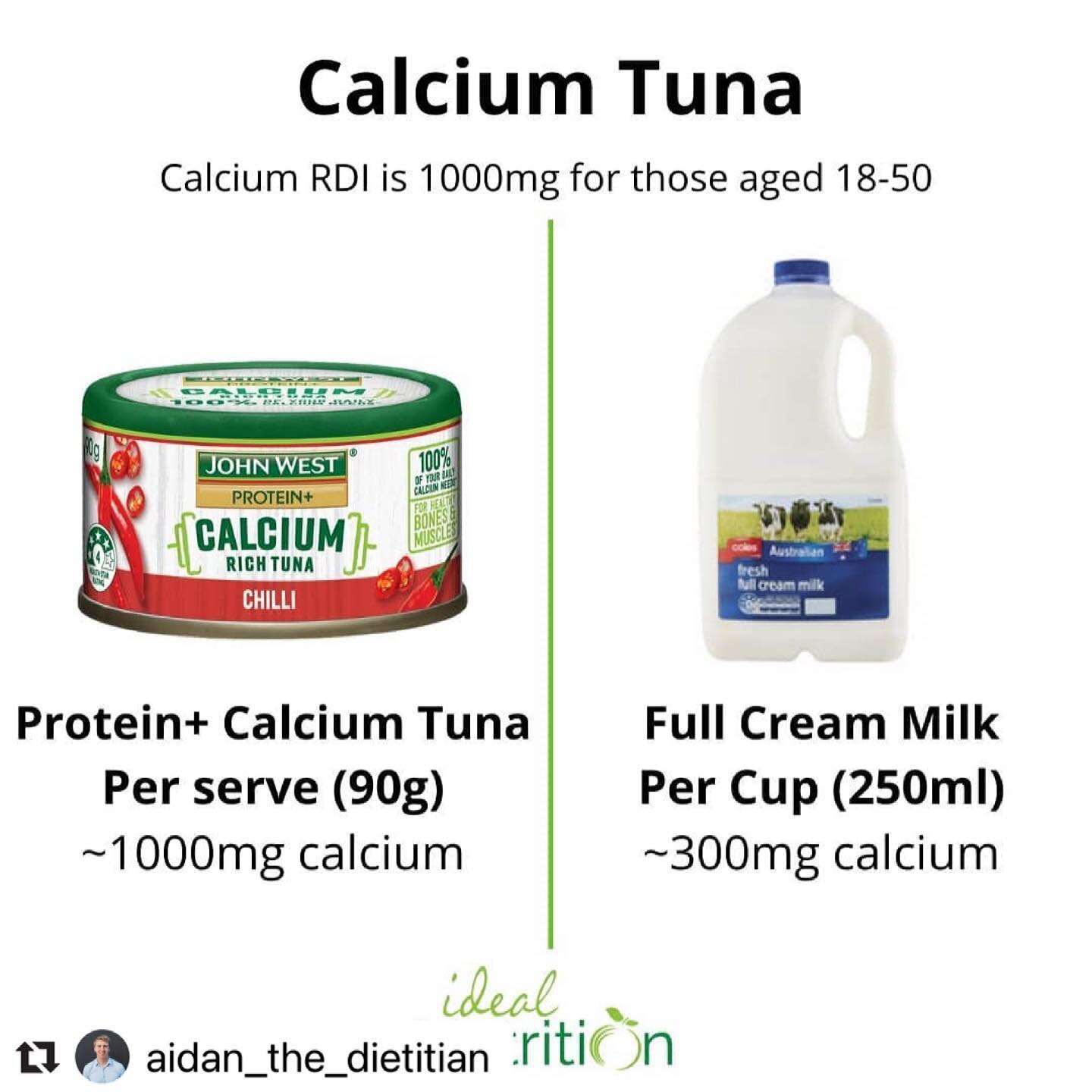
Dairy is another excellent source of protein and women aged 30-50 should include 2-3 serves of dairy or calcium rich substitutes each day:

Print Friendly and PDF

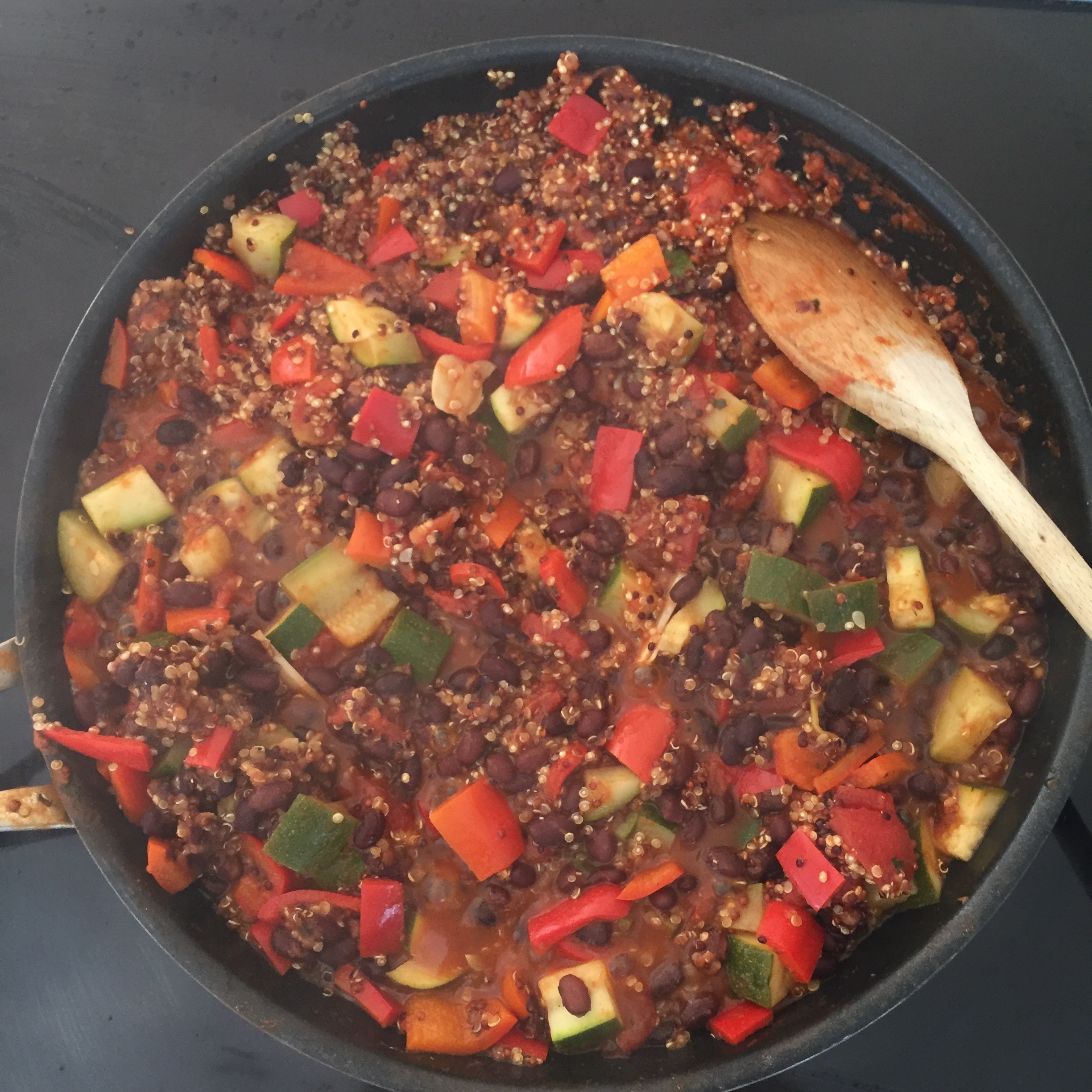
One pan Mexican Quinoa and Black Bean bowl

This is my new favourite dinner that I could eat every day for a month and not tire of.  You will desperately hope there will be enough for leftovers for lunch!  This recipe is full of veggies, black beans and quinoa so it delivers plenty of fibre and plant based protein which is a winner for preventing lifestyle diseases such as some cancers, cardiovascular disease and stroke plus it tastes amazing and will keep you full for ages.

This recipe was inspired by marin mama cooks but I've increased the veggies and beans a bit and "Australianised" the ingredients.  I hope you enjoy this as much as my family does.


INGREDIENTS

  • 1 tablespoon olive oil

  • 2 cloves garlic, sliced

  • 1 red chilli, half the seeds removed and sliced

  • 1 cup well-rinsed and scrubbed quinoa

  • 1 1/4 cups chicken or vegetable stock

  • 2 rinsed and drained cans of black beans

  • 1 can tinned diced tomatoes

  • 1 medium zucchini diced

  • 2 red capsicums, diced

  • 1 tablespoon Mexican spice powder (I used Herbies but masterfoods do one too or use 1/2 tsp chilli, 1 tsp cumin, 1 tsp coriander)

  • pinch of salt

  • 1 avocado, halved, seeded, peeled and diced

  • juice of one lime

  • chopped fresh coriander leaves, greek yoghurt and shredded sharp cheese to serve

METHOD

Heat the olive oil in a large frypan over medium high heat.  Add the garlic and fresh chilli and cook for one minute stirring well.

Add in the chicken stock, quinoa, black beans, tinned tomatoes, zucchini, capsicum, salt, and spices.  

Stir well, then bring to the boil.  Reduce heat, cover and leave to simmer for 20 -25 minutes until cooked.

Before serving stir through the lime juice and chopped coriander.  Serve with a sprinkle of cheese and a dollop of greek yoghurt.

Serves 6


mexican quinoa and black bean bowls


Overnight Steel Cut Oats and Quinoa Porridge

Overnight Steel Cut Oats and Quinoa Porridge

I love steel cut oats but I haven't got 20 minutes to spend stirring them on a school/work/uni morning.  Instead I quickly prep them while I am cleaning up after dinner and they are all ready to be warmed through first thing in the morning.  The added quinoa bumps up the protein levels - this recipe will fill you up all morning.  

Read More
Print Friendly and PDF